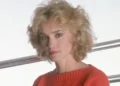



















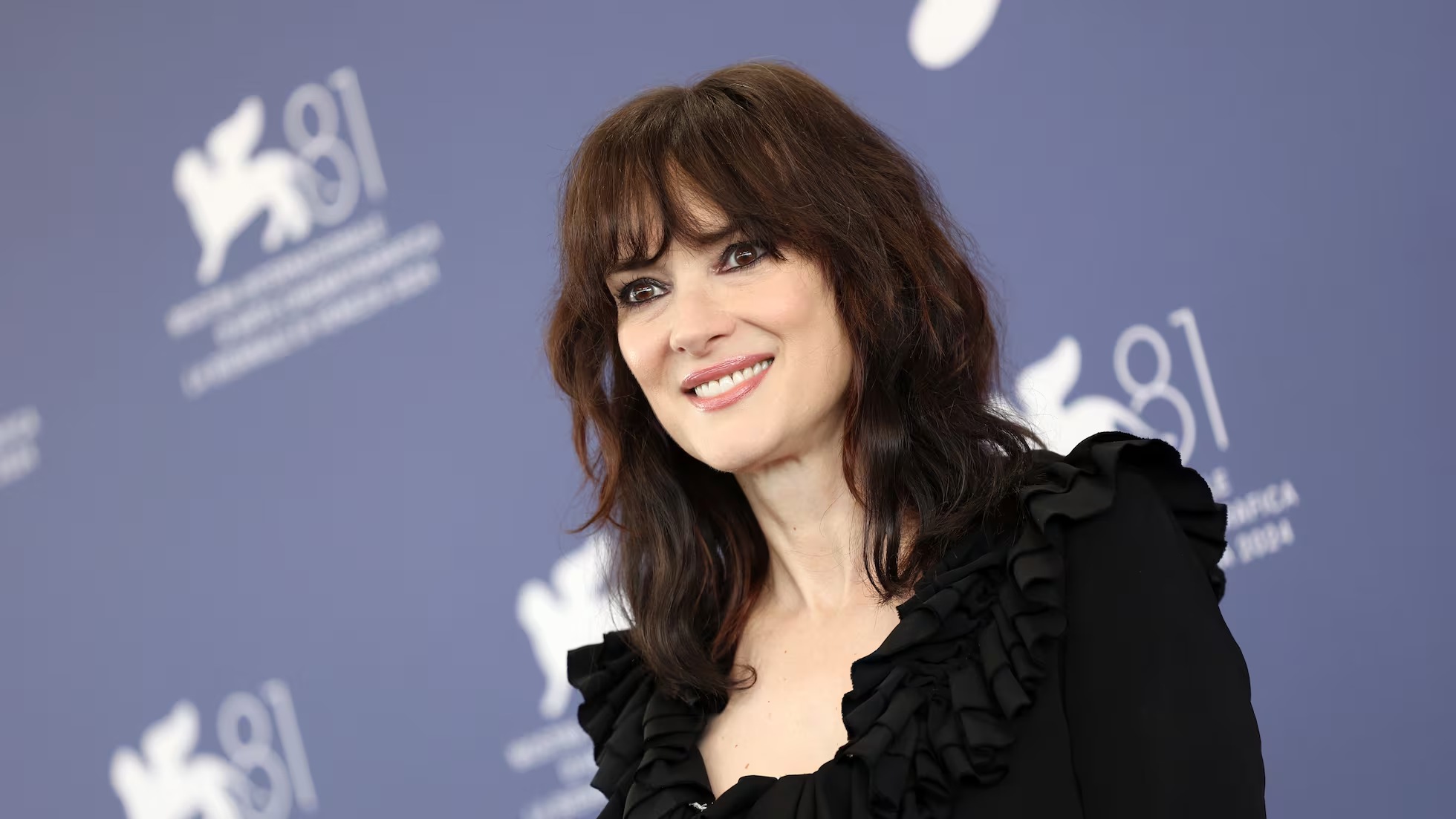
Few Hollywood stories feel as human, as unpredictable, and as emotionally layered as the journey of Winona Ryder. She wasn’t just another rising star in the late 80s and 90s. She became a cultural moment. A face that defined a generation of cinema lovers. A presence that felt both fragile and powerful at the same time.
But fame in Hollywood rarely stays gentle. It rises fast, demands everything, and sometimes knocks even the most promising stars off balance. That is exactly what happened in the career of Winona Ryder.
Her story is not just about success. It is about pressure, public scrutiny, reinvention, and an unexpected comeback that reminded the world why she mattered in the first place. What makes her journey so fascinating is how real it feels. There is no overly polished narrative here. Instead, we see growth, mistakes, recovery, and resilience.
And perhaps that is why Winona Ryder continues to hold such a strong place in modern pop culture today.
Biography of Winona Ryder
| Category | Details |
|---|---|
| Full Name | Winona Laura Horowitz |
| Date of Birth | October 29, 1971 |
| Age | 54 (approx.) |
| Profession | Actress |
| Nationality | American |
| Net Worth (approx.) | Multi-million dollar range |
| Notable Works | Beetlejuice, Heathers, Edward Scissorhands, Stranger Things |
Early Life and First Steps into Acting
Before becoming Winona Ryder, she was a young girl with a deep love for storytelling and cinema. Growing up in a creative environment helped shape her artistic sensitivity early on.
From a young age, she showed a strong interest in classic films, emotional storytelling, and complex characters. Unlike many young actors who chase fame first, she seemed more drawn to the craft itself.
Her early auditions reflected something unique: a quiet intensity. Casting directors noticed her ability to express emotion without overacting. That subtlety later became one of her biggest strengths.
When she eventually adopted the stage name Winona Ryder, she began her journey into Hollywood at a time when the industry was evolving rapidly.
Breakthrough in Hollywood
Beetlejuice and instant recognition
The turning point for Winona Ryder came with her role in Beetlejuice. The film introduced her to mainstream audiences and showcased her unusual ability to balance innocence with emotional depth.
She wasn’t just a supporting character. She had presence. Even in a surreal, comedic world, she felt real.
Heathers and cult status
Soon after, Heathers pushed her into a different category entirely. The film became a cult classic, and Winona Ryder stood at the center of its dark, sharp storytelling.
At this point, she was no longer just a rising actress. She was becoming a cultural symbol of teenage rebellion, emotional intelligence, and alternative Hollywood style.
Rise to Stardom in the 90s
A defining decade
The 1990s were the golden era of Winona Ryder. She appeared in films that would later become cinematic classics. Her performances combined vulnerability and strength in a way that felt natural and unforced.
Some defining traits of her 90s success included:
- Emotional depth in romantic roles
- Strong presence in dramatic films
- Collaboration with top directors
- Consistent critical praise
- A unique, recognizable screen identity
Iconic films that shaped her career
During this period, Winona Ryder became associated with unforgettable roles in:
- Edward Scissorhands
- Reality Bites
- Little Women
- Bram Stoker’s Dracula
Each film added another layer to her reputation. She wasn’t just popular. She was respected.
The Pressure of Fame and Public Scrutiny
When success becomes overwhelming
Fame often comes with expectations that are difficult to manage. For Winona Ryder, the pressure of constant visibility eventually became intense.
Hollywood in the early 2000s was unforgiving. Public opinion shifted quickly, and the media environment became increasingly harsh. Even established stars were not immune.
During this phase, Winona Ryder stepped away from the spotlight for a while. It was a period of reflection, recovery, and rebuilding.
A difficult turning point
Every public figure faces challenges, but hers became highly visible. Instead of defining her entire career by that moment, what stands out today is how she responded afterward.
And that response changed everything.
The Comeback That Redefined Her Career
Return to acting
The comeback of Winona Ryder was not immediate or loud. It was gradual, thoughtful, and grounded in strong role selection.
She re-entered Hollywood with more maturity, choosing projects that aligned with her strengths rather than chasing commercial fame.
Stranger Things and a new generation
Her role in Stranger Things marked a full-circle moment. Suddenly, Winona Ryder was not just a 90s icon anymore. She became relevant again to a completely new generation.
Young viewers discovered her for the first time, while older fans rediscovered why they admired her in the first place.
This revival proved something important: talent does not expire.
Acting Style and Artistic Strength
Emotional authenticity
One of the defining features of Winona Ryder is her emotional authenticity. She doesn’t rely on exaggerated expressions. Instead, she uses subtlety, silence, and controlled intensity.
Versatility across genres
Her filmography demonstrates impressive range:
- Romantic drama
- Psychological thrillers
- Fantasy films
- Teen dramas
- Science fiction series
This adaptability helped her remain relevant across decades.
What makes her unique
Key traits include:
- Natural acting style
- Strong emotional delivery
- Strong character interpretation
- Ability to portray vulnerability
- Timeless screen presence
Winona Ryder BIO Table
| Category | Details |
|---|---|
| Full Name | Winona Laura Horowitz |
| Date of Birth | October 29, 1971 |
| Age | 54 (approx.) |
| Profession | Actress |
| Nationality | American |
| Net Worth (approx.) | Multi-million dollar range |
| Notable Works | Beetlejuice, Heathers, Edward Scissorhands, Stranger Things |
Cultural Impact and Legacy
A 90s icon who never faded
Even during her quieter years, Winona Ryder never disappeared from cultural memory. Her films continued to be watched, referenced, and celebrated.
Influence on modern actors
Many contemporary actors cite her as an influence due to her emotional honesty and screen presence.
Her legacy includes:
- Redefining indie film acting in the 90s
- Shaping teen cinema aesthetics
- Inspiring modern female-led storytelling
- Maintaining relevance across decades
Challenges, Resilience, and Reinvention
The story of Winona Ryder is incomplete without acknowledging resilience. Few actors manage to rebuild their careers after setbacks in the public eye.
However, she did exactly that.
Her return was not about proving anything to others. It felt more personal. More grounded. More intentional.
That is what makes her comeback powerful. It wasn’t forced. It was earned.
Why Audiences Still Love Winona Ryder
There is a certain emotional connection fans feel toward Winona Ryder that is hard to explain. It is not just nostalgia.
It is also:
- Her sincerity on screen
- Her relatable vulnerability
- Her timeless acting style
- Her authenticity as a public figure
She feels real in an industry that often feels manufactured.
Key Lessons from Her Career Journey
The story of Winona Ryder offers valuable lessons:
- Fame is not permanent
- Talent can outlast controversy
- Reinvention is always possible
- Authenticity builds long-term respect
- Careers evolve in unexpected ways
These lessons apply far beyond Hollywood.
Most Iconic Career Highlights
Here is a quick overview of her most memorable milestones:
| Project | Impact |
|---|---|
| Beetlejuice | Breakthrough role |
| Heathers | Cult classic status |
| Edward Scissorhands | Emotional recognition |
| Little Women | Critical acclaim |
| Stranger Things | Career revival |
Each of these projects strengthened the legacy of Winona Ryder in different ways.
Conclusion
A Career That Refused to End
The journey of Winona Ryder is one of the most compelling narratives in modern Hollywood. It is not just a story of success or failure. It is a story of evolution.
From a young actress with unique emotional depth to a global icon of the 90s, and later a respected figure in contemporary television, she has experienced every stage of fame.
What makes Winona Ryder truly remarkable is not just her talent, but her ability to return, adapt, and remain relevant across generations.
Her story reminds us that careers are not always linear. Sometimes they rise, sometimes they fall, and sometimes they come back stronger than ever.