















Some actors don’t just perform roles; they define an entire era of cinema. Gary Cooper is one of those rare figures. With his calm presence, understated acting style, and natural charisma, he became one of Hollywood’s most respected and enduring stars.
What makes Gary Cooper so fascinating is not just the number of films he appeared in, but the quiet intensity he brought to every performance. While many actors of his time leaned toward theatrical expression, Cooper believed in simplicity. That choice made him stand out in a powerful way.
From Western classics to award-winning dramas, Gary Cooper built a career that still resonates with audiences today. His influence extends far beyond his lifetime, shaping how modern actors approach subtle, realistic performance.
In this article, we’ll explore the life, films, and lasting legacy of Gary Cooper, and why his name remains central in the history of American cinema.
Gary Cooper Biography
| Category | Details |
|---|---|
| Full Name | Frank James Cooper |
| Known As | Gary Cooper |
| Date of Birth | May 7, 1901 |
| Place of Birth | Helena, Montana, USA |
| Profession | Actor |
| Nationality | American |
| Net Worth (Historical Estimate) | Multi-million dollar Hollywood fortune |
| Notable Works | High Noon, Sergeant York, Mr. Deeds Goes to Town, The Pride of the Yankees |
Early Life and Humble Beginnings
Before becoming Gary Cooper, he was simply Frank James Cooper, a boy growing up in Montana. His early life was shaped by wide landscapes, rural values, and a strong sense of independence. These early influences later became central to the characters he portrayed on screen.
Unlike many Hollywood stars, Gary Cooper did not grow up with the goal of becoming an actor. He initially explored different interests, including drawing and working as a cartoonist. However, fate had other plans.
A minor accident during a riding lesson led him toward film work as an extra. That unexpected moment marked the beginning of one of Hollywood’s most iconic careers.
The Rise of Gary Cooper in Hollywood
Silent Film Era Beginnings
The early career of Gary Cooper began during the silent film era. At first, he appeared in small roles, often uncredited. However, his tall frame, calm demeanor, and natural screen presence quickly caught attention.
Unlike exaggerated silent film acting styles, Cooper’s subtle expressions felt authentic. Even without dialogue, audiences noticed him.
Breakthrough Roles
His breakthrough came when he started landing leading roles in Westerns and adventure films. These roles helped define his public image: strong, silent, and morally grounded.
Over time, Gary Cooper became one of Hollywood’s most bankable stars.
Gary Cooper and the Western Film Identity
One cannot discuss Gary Cooper without mentioning Western films. He became the face of the American Western hero.
Why Westerns Fit Him Perfectly
Cooper’s acting style matched the genre perfectly:
- Quiet strength
- Minimal dialogue
- Strong moral presence
- Natural physical performance
- Emotional restraint
These qualities made his Western characters feel real and grounded.
Iconic Western Films
Some of the most notable Western films of Gary Cooper include:
- High Noon
- The Virginian
- Vera Cruz
- Man of the West
Each performance reinforced his image as the ultimate Western hero.
Gary Cooper in Dramatic Roles
Although Westerns defined much of his career, Gary Cooper also excelled in drama.
Mr. Deeds Goes to Town
In this film, Cooper played a simple man thrust into a complicated world. His performance showed sincerity and moral clarity, earning critical acclaim.
Sergeant York
One of his most celebrated performances, Gary Cooper portrayed a real-life war hero. The role earned him an Academy Award and remains one of his defining achievements.
The Pride of the Yankees
In this emotional sports drama, he played baseball legend Lou Gehrig. The performance demonstrated his ability to convey deep emotional weight without overacting.
Acting Style and Screen Presence
What truly set Gary Cooper apart was his unique acting philosophy.
Natural Performance Over Theatrics
While many actors relied on dramatic gestures, Cooper preferred minimalism. His style included:
- Subtle facial expressions
- Controlled movement
- Natural dialogue delivery
- Emotional restraint
This made his performances feel grounded and believable.
The Power of Silence
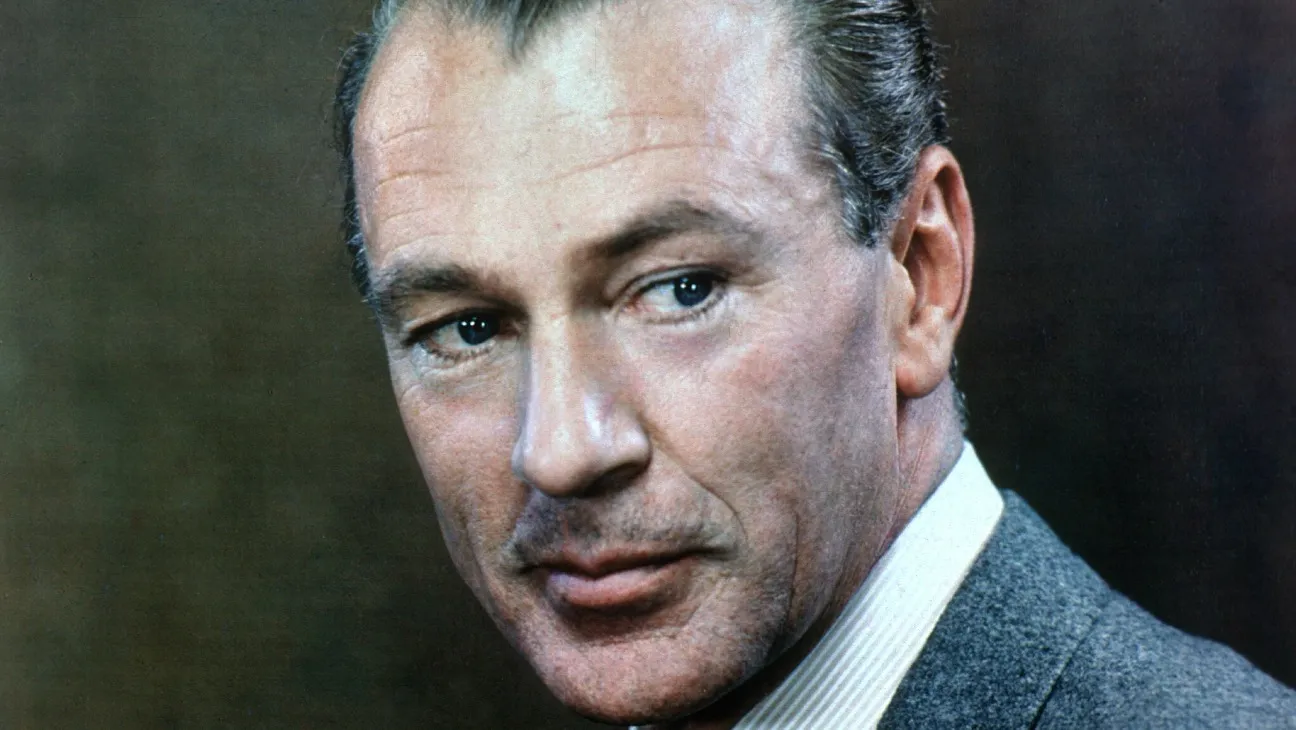
One of the most interesting aspects of Gary Cooper was his ability to communicate without words. A simple look or pause often carried more meaning than dialogue.
Awards and Major Achievements
The career of Gary Cooper was filled with recognition and honors.
Academy Awards
- Best Actor for Sergeant York
- Best Actor for High Noon
- Honorary Academy Award for lifetime achievement
Industry Recognition
Beyond awards, Cooper was widely respected by directors, critics, and fellow actors. His professionalism was often praised as much as his talent.
Gary Cooper and Hollywood’s Golden Age
The Golden Age of Hollywood produced many legends, but Gary Cooper stood out because of his authenticity.
Why He Was Different
In an era of glamour and exaggerated performances, Cooper remained grounded. He did not rely on celebrity drama or public spectacle. Instead, he let his work speak for itself.
Collaboration with Major Directors
Throughout his career, he worked with some of the most influential directors in film history, further strengthening his reputation.
Personal Life and Character
Beyond the screen, Gary Cooper was known for his calm and reserved personality.
Private Nature
Unlike many Hollywood stars, he preferred privacy. He avoided unnecessary publicity and focused on his craft.
Values and Reputation
People who worked with him often described him as:
- Respectful
- Professional
- Humble
- Quietly confident
These traits mirrored the characters he played in films.
Later Years and Career Evolution
As Hollywood evolved, so did Gary Cooper. He adapted to changing styles of filmmaking while maintaining his signature approach.
Even in later roles, he continued to portray strong, principled characters. His final performances reflected maturity and experience.
Legacy of Gary Cooper
The legacy of Gary Cooper is one of the strongest in film history.
Influence on Modern Actors
Many modern actors cite him as an influence due to his:
- Natural acting style
- Emotional subtlety
- Strong screen presence
- Authentic character portrayals
Cultural Impact
His image became symbolic of the ideal American hero: honest, quiet, and principled.
Why Gary Cooper Still Matters Today
Even decades after his passing, Gary Cooper continues to attract attention from film lovers and scholars.
Timeless Appeal
His performances remain relevant because they feel real. Unlike overly stylized acting, his approach never feels outdated.
Educational Value
Film students often study his work to understand:
- Minimalist acting techniques
- Character development
- Emotional storytelling
Famous Films of Gary Cooper
Here is a quick overview of some of his most influential films:
- High Noon
- Sergeant York
- Mr. Deeds Goes to Town
- The Pride of the Yankees
- The Virginian
- A Farewell to Arms
Each film contributed to shaping the legacy of Gary Cooper.
Final Thoughts
The story of Gary Cooper is more than a Hollywood biography. It is the story of an actor who changed the meaning of screen performance through simplicity, honesty, and quiet strength.
He did not rely on excess or spectacle. Instead, he built a career based on authenticity and emotional truth. That is why Gary Cooper remains one of the most respected names in cinema history.
His films continue to inspire audiences, and his legacy continues to influence actors across generations. In a world of constant change, his work reminds us that sometimes less truly is more.
If you have a favorite Gary Cooper film or performance, it is worth revisiting—it may feel just as powerful today as it did decades ago.