















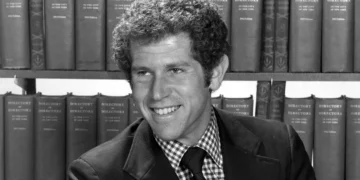






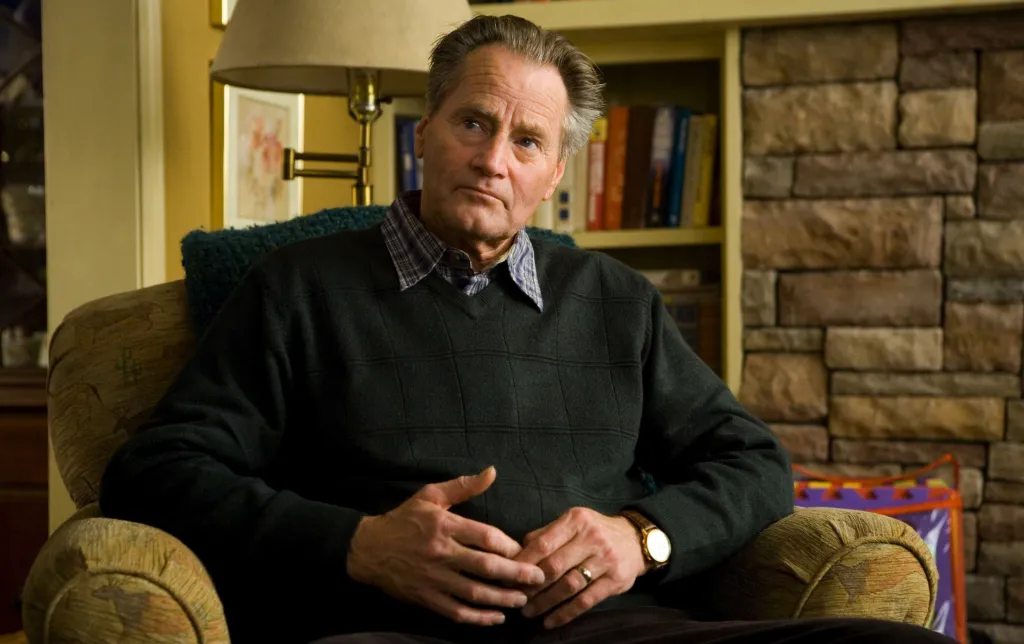
Some artists don’t just work in their field—they reshape it. Sam Shepard is one of those rare figures whose influence stretches across theatre, film, and literature. He wasn’t just an actor who performed roles or a playwright who wrote scripts. He was a storyteller who captured the raw, often uncomfortable truth about American life.
From experimental off-Broadway plays to Hollywood films that reached global audiences, Sam Shepard built a career defined by authenticity, intensity, and creative courage. His work often explored fractured families, masculinity, identity, and the myth of the American West.
This article takes a deep, human look at Sam Shepard, his journey as an actor, his groundbreaking work as a playwright, and the legacy he left behind as a true visionary.
BIO: Sam Shepard at a Glance
| Category | Details |
|---|---|
| Full Name | Samuel Shepard Rogers III |
| Date of Birth | November 5, 1943 |
| Age | Passed away in 2017 (aged 73) |
| Profession | Actor, Playwright, Author, Director |
| Nationality | American |
| Net Worth (Approx.) | Estimated $10–15 million |
| Notable Works | Buried Child, True West, Fool for Love, The Right Stuff |
| Major Achievement | Pulitzer Prize for Drama |
Early Life and Creative Roots
Before Sam Shepard became a celebrated name in theatre and film, his early life already hinted at restlessness and curiosity.
Born in Illinois and raised in California, he grew up in a military family, frequently moving from place to place. That sense of instability would later become a central theme in his writing.
Early influences that shaped Sam Shepard
Several factors played a role in shaping his artistic identity:
- A nomadic childhood
- Exposure to rural American life
- Interest in poetry and jazz music
- Fascination with Western mythology
- Early experimentation with writing
Even before formal success, Sam Shepard was already questioning identity and tradition in ways that would define his entire career.
The Rise of a Playwright
Off-Broadway beginnings
The early career of Sam Shepard began in New York’s experimental theatre scene. Unlike traditional playwrights of his time, he did not follow strict narrative rules.
Instead, his early plays were:
- Abstract
- Emotionally raw
- Symbolic rather than linear
- Heavy on dialogue rhythm and mood
This unconventional style quickly set him apart.
Breaking theatre conventions
What made Sam Shepard special as a playwright was his refusal to follow expectations. He wasn’t interested in neat storytelling. Instead, he focused on emotional truth.
His work often explored:
- Broken families
- Identity crisis
- Violence beneath the surface
- Masculinity and ego
- The myth of the American West
These themes became his signature.
Pulitzer Prize and Mainstream Recognition
One of the defining moments in Sam Shepard’s career came in 1979 when he won the Pulitzer Prize for Drama for Buried Child.
Why Buried Child mattered
This play revealed a darker side of the American family ideal. It explored:
- Hidden secrets
- Generational trauma
- Emotional decay
- Lost identity
The recognition brought Sam Shepard into mainstream literary respectability, but he never abandoned his experimental roots.
Sam Shepard as a Film Actor
While theatre was his foundation, Sam Shepard also built a strong film career.
Transition to Hollywood
Hollywood discovered what theatre audiences already knew: Shepard had a powerful screen presence.
He didn’t act in a flashy way. Instead, he brought:
- Subtle intensity
- Emotional restraint
- Quiet authority
- Deep realism
Notable film roles
Some of his most recognized films include:
- The Right Stuff
- Days of Heaven
- Black Hawk Down
- Steel Magnolias
- Mud
- The Assassination of Jesse James by the Coward Robert Ford
Each role showed a different layer of his talent.
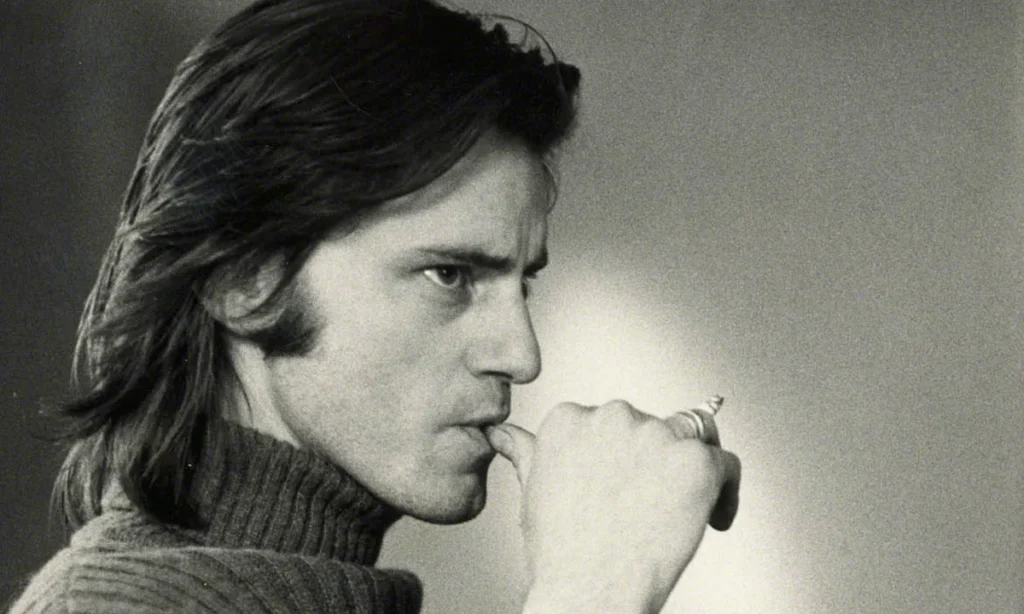
Sam Shepard’s Acting Style
Unlike many actors, Sam Shepard never relied on exaggerated performance.
What defined his style
His acting was built on:
- Minimalism
- Silence as expression
- Natural speech rhythm
- Emotional understatement
- Strong physical presence
He often played characters with internal conflict rather than outward dramatics.
This made him particularly effective in roles involving authority figures, writers, or emotionally complex men.
A Unique Creative Voice
What makes Sam Shepard truly fascinating is that he wasn’t just an actor or playwright—he was both, simultaneously.
The blending of two crafts
His experience as a playwright influenced his acting, and his acting influenced his writing.
This created a rare creative cycle:
- Writing informed performance
- Performance informed writing
- Emotion guided structure
- Structure guided emotion
Few artists have balanced both disciplines so effectively.
Themes in Sam Shepard’s Work
Across his career, Sam Shepard consistently explored specific themes.
Recurring ideas in his writing
- The illusion of the American Dream
- Family dysfunction
- Masculinity and identity
- Isolation and loneliness
- Myth versus reality
- Rural American life
These themes gave his work emotional depth and cultural relevance.
BIOGRAPHY TABLE: Sam Shepard
| Category | Details |
|---|---|
| Full Name | Samuel Shepard Rogers III |
| Date of Birth | November 5, 1943 |
| Age | 73 (at time of death) |
| Profession | Actor, Playwright, Author |
| Nationality | American |
| Net Worth | $10–15 million approx. |
| Notable Works | Buried Child, True West, The Right Stuff |
Major Works and Achievements
Essential plays
Some of the most important works by Sam Shepard include:
- True West
- Fool for Love
- Buried Child
- Curse of the Starving Class
- A Lie of the Mind
Each of these plays helped redefine modern American theatre.
Literary impact
His plays are studied globally for their:
- Psychological depth
- Experimental structure
- Emotional intensity
- Cultural commentary
Sam Shepard in “True West”
One of the most iconic works of Sam Shepard is True West.
Why it stands out
This play explores the relationship between two brothers with completely different personalities.
Key themes include:
- Identity conflict
- Jealousy
- Duality of human nature
- Family tension
It remains one of the most performed American plays today.
Personal Life and Public Image
Despite his fame, Sam Shepard remained a relatively private individual.
Key aspects of his personality
- Introspective and thoughtful
- Avoided celebrity culture
- Focused on artistic integrity
- Deeply connected to storytelling
His personal life often reflected the complexity found in his writing.
Influence on Modern Theatre and Film
The legacy of Sam Shepard extends far beyond his own work.
His impact on theatre
He helped reshape American theatre by:
- Breaking traditional narrative structures
- Introducing poetic realism
- Emphasizing emotional truth over plot
His impact on film
In cinema, he showed that:
- Minimal acting can be powerful
- Silence can carry emotional weight
- Subtle performances can dominate a scene
Many modern actors and writers cite him as an influence.
Awards and Recognition
Throughout his career, Sam Shepard received numerous honors:
- Pulitzer Prize for Drama
- Obie Awards
- Academy Award nomination
- Writers Guild recognition
- Lifetime achievement honors
These awards reflect his dual impact on theatre and film.
Why Sam Shepard Still Matters Today
Even years after his passing, Sam Shepard continues to be relevant.
Reasons for lasting influence
- His plays remain widely performed
- His films are still studied
- His themes are timeless
- His writing feels emotionally authentic
Modern audiences still connect with his exploration of identity and family conflict.
Legacy of Sam Shepard
The legacy of Sam Shepard is not limited to awards or performances. It lives in the way he changed storytelling itself.
He proved that art does not need to be clean or simple to be powerful. It can be messy, emotional, fragmented, and still deeply meaningful.
His work continues to inspire:
- Playwrights
- Screenwriters
- Actors
- Directors
- Film students
Conclusion
Looking back at the life and career of Sam Shepard, one thing becomes clear: he was not just a participant in American theatre and cinema—he was a force that reshaped them.
From his early experimental plays to his award-winning writing and memorable film performances, Sam Shepard built a body of work defined by honesty, complexity, and emotional depth.
He didn’t try to make stories comfortable. Instead, he made them real.
And that is why his legacy endures.
Whether through True West, Buried Child, or his subtle yet powerful film performances, Sam Shepard remains a symbol of artistic courage.