





















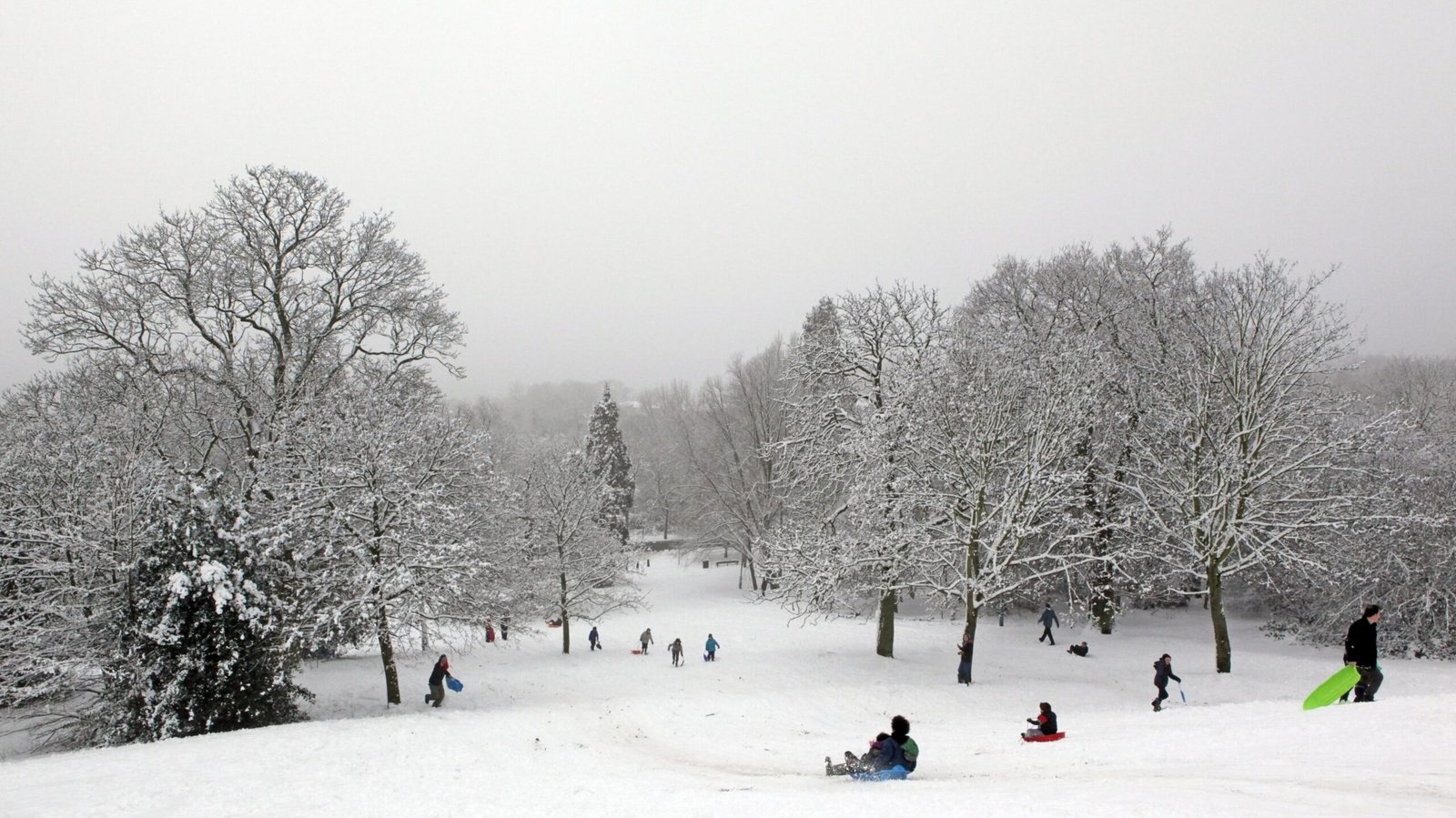
December in the UK brings a familiar winter atmosphere filled with shorter days, colder temperatures, festive celebrations, and the possibility of snowfall. For many people, UK snow weather December is a major topic of interest as families, travellers, businesses, and outdoor enthusiasts prepare for changing conditions. While snow is never guaranteed across the country, understanding weather patterns, regional differences, and preparation tips can help everyone stay ready for winter challenges.
The UK has a varied climate, meaning December weather can range from mild and rainy conditions in southern areas to freezing temperatures and heavier snowfall in northern regions. This UK snow weather December guide explains what influences snowfall, how to prepare your home and travel plans, and what experts consider when predicting winter conditions.
Understanding UK Snow Weather December Patterns
The UK experiences a maritime climate, which means temperatures are influenced by the surrounding seas. This often creates unpredictable winter conditions. December can bring a mix of rain, frost, icy roads, strong winds, and occasional snow events.
Snow usually becomes more likely when cold air moves across the country from northern Europe or the Arctic. When these colder air masses combine with moisture from the Atlantic Ocean, snowfall chances can increase.
However, snowfall varies significantly depending on location. Areas with higher elevations generally experience more snow, while coastal and southern regions often see milder temperatures.
Key factors affecting UK snow weather in December include:
- Cold air outbreaks from the north or east
- Temperature levels close to freezing
- Moisture availability in the atmosphere
- Elevation and local geography
- Changes in global and regional weather patterns
Which UK Areas Are More Likely to See Snow in December?
Snowfall is not evenly distributed across the UK. Some regions traditionally experience more winter snow because of their geography and altitude.
Scotland
Scotland is usually one of the coldest parts of the UK during December. The Highlands often receive significant snowfall due to their higher elevation and colder conditions. Mountain areas may see snow arrive earlier and remain longer than lower regions.
Northern England
Areas such as the Pennines and parts of northern England can experience frequent winter snow events. Higher ground often sees snow when nearby lowland areas only experience rain or frost.
Wales
Mountainous areas of Wales, including higher parts of Snowdonia, can receive December snowfall. Lower areas may experience occasional snow during stronger cold spells.
Southern England and Coastal Areas
Southern England generally has fewer snow days because temperatures are often slightly higher. However, significant cold weather events can still bring snow, especially when freezing air spreads across the country.
How to Prepare for December Snow in the UK
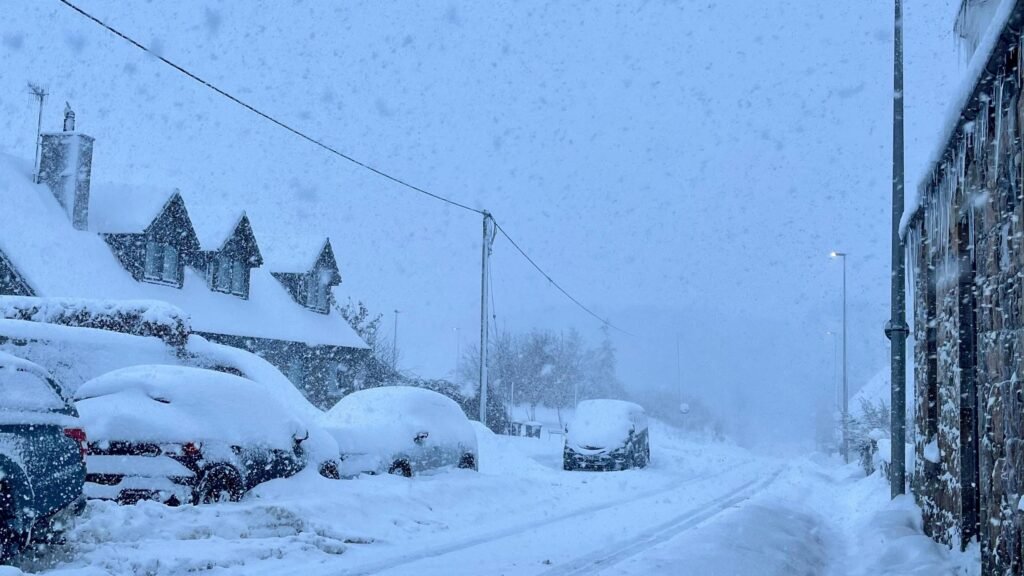
Preparing early can make winter weather easier to manage. Whether you live in a rural area or a busy city, taking practical steps can reduce disruption caused by snow and ice.
Prepare Your Home
A warm and secure home is essential during cold December conditions. Consider the following:
- Check your heating system before winter begins
- Insulate walls, loft spaces, and pipes
- Keep blankets and warm clothing available
- Seal gaps around doors and windows
- Stock essential household supplies
Frozen pipes are a common winter problem, so protecting outdoor pipes and keeping indoor temperatures stable can help prevent damage.
Plan for Travel Disruptions
Snow and ice can affect roads, rail services, and flights. Before travelling during December, check weather updates and allow extra time for journeys.
Useful travel preparation includes:
- Keeping your vehicle maintained
- Carrying winter essentials in your car
- Checking road conditions before long trips
- Wearing suitable footwear during icy weather
- Following official travel advice
Winter conditions can change quickly, so flexibility is important when making travel plans.
UK Snow Weather December Forecasting and Predictions
Weather forecasting has improved significantly, allowing meteorologists to monitor potential cold spells more accurately. However, predicting snowfall weeks or months in advance remains challenging because snow depends on precise temperature and moisture conditions.
Long-range forecasts can provide general trends, such as whether December may be warmer, colder, wetter, or drier than average. Short-term forecasts become more reliable when predicting specific snowfall events.
People searching for UK snow weather December forecasts should look for updates from trusted meteorological organisations rather than relying on unverified predictions.
The Impact of Snow on Daily Life
Snow can create a beautiful winter landscape, but it can also affect everyday activities. Understanding potential impacts helps communities prepare effectively.
Transport
Snow and ice may cause:
- Slower road travel
- Public transport delays
- Airport disruptions
- Difficult driving conditions
Local authorities often respond by treating roads with salt and providing weather updates during severe conditions.
Schools and Workplaces
Heavy snowfall can sometimes lead to school closures or changes to workplace arrangements. Many organisations now use flexible working options to reduce disruption during extreme weather.
Businesses
Retailers, delivery companies, and outdoor businesses may experience challenges during snowy periods. Planning ahead helps maintain services even during difficult conditions.
Winter Activities During December Snow
Although snow can create challenges, many people enjoy the opportunities that winter weather brings. Snow-covered landscapes provide opportunities for photography, walking, and seasonal activities.
Popular winter activities include:
- Exploring snowy countryside areas
- Visiting winter markets
- Taking scenic photographs
- Enjoying outdoor family activities
Safety should always come first. Check local conditions and avoid dangerous areas during severe weather.
Climate Change and Future UK Snow Trends
Climate change has influenced discussions about future winter weather patterns. Rising average temperatures may affect snowfall frequency and duration, although individual winters can still bring significant cold and snowy periods.
Scientists continue to study how changing global temperatures influence UK winter conditions. Snowfall remains a complex weather event affected by many atmospheric factors.
Tips for Staying Updated During UK Winter
Reliable information is essential when preparing for December snow. Regularly checking official forecasts helps people make informed decisions.
Good winter weather habits include:
- Monitoring daily forecasts
- Preparing before severe weather arrives
- Following local authority updates
- Keeping emergency supplies available
- Adjusting plans when conditions change
Being prepared does not mean expecting extreme weather every year. It simply means being ready if colder conditions arrive.
Conclusion
The UK snow weather December guide for winter planning shows why preparation is important during the colder months. December weather in Britain can be unpredictable, with conditions ranging from mild rain to freezing temperatures and snowfall.
Understanding regional differences, monitoring forecasts, preparing homes, and planning travel carefully can help people handle winter conditions with confidence. Whether snow arrives heavily or only briefly, staying informed is the best way to enjoy the beauty of the season while reducing potential disruption.
With thoughtful planning and reliable weather updates, December in the UK can be a comfortable, safe, and enjoyable winter experience.