






















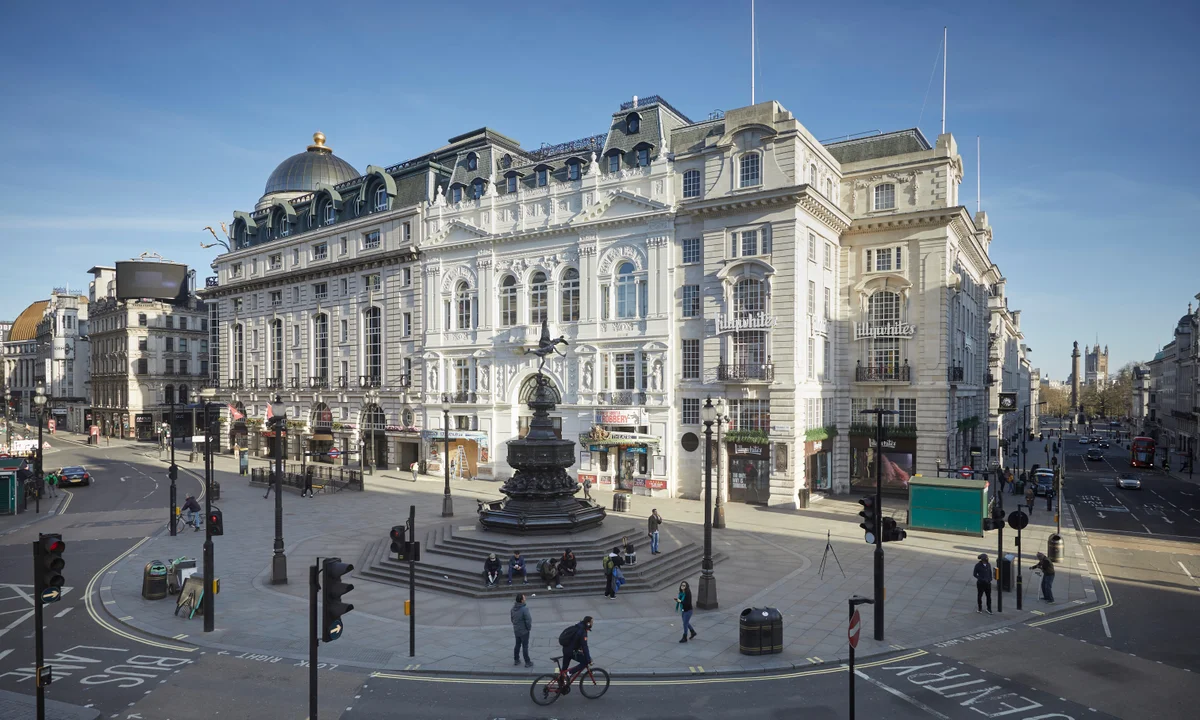
The phrase London Lockdown refers to one of the most significant periods in the city’s modern history, when strict public health measures changed everyday life across the capital. From empty streets and closed businesses to new ways of working and socialising, London experienced dramatic changes as authorities responded to the challenges created by the COVID-19 pandemic.
For millions of residents, the London Lockdown became a defining moment that affected work, travel, education, healthcare, and personal relationships. Understanding what happened, why restrictions were introduced, and how London adapted provides valuable insight into one of the most unusual chapters in recent history.
What Was the London Lockdown?
The London Lockdown began in March 2020 when the UK government introduced nationwide restrictions to slow the spread of COVID-19. London, as the UK’s largest city and a major international transport hub, was one of the areas most affected by the rapid increase in infections.
The lockdown required people to stay at home except for essential reasons, including buying food, seeking medical help, exercising, or providing essential care. Many workplaces closed temporarily, while millions of employees switched to remote working.
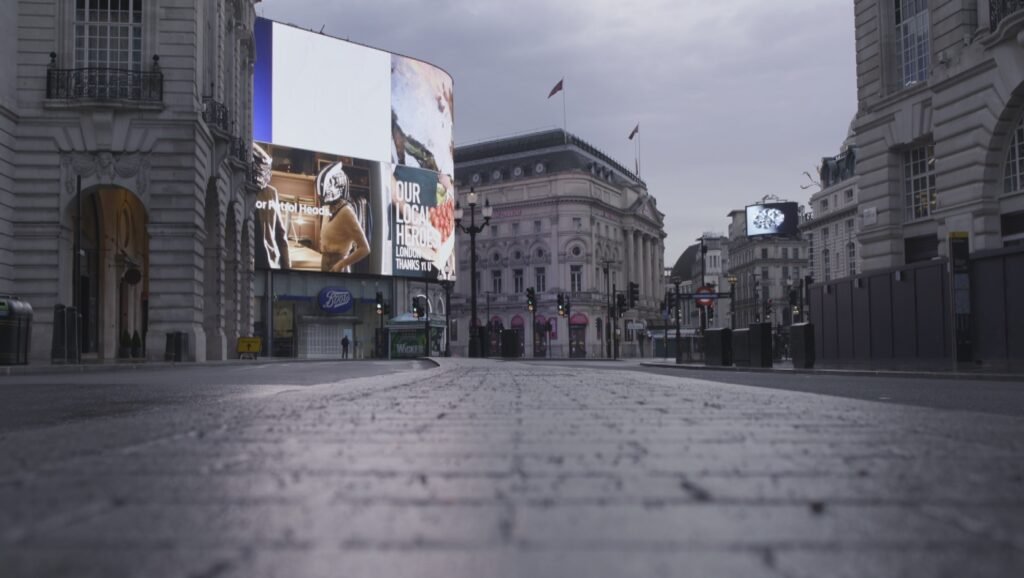
Public spaces that were usually filled with commuters, tourists, and shoppers became unusually quiet. Popular areas such as central London, Oxford Street, and major transport stations saw a significant reduction in activity as residents followed government guidance.
Why Was London Put Into Lockdown?
The main reason behind the London Lockdown was to protect public health and prevent hospitals from becoming overwhelmed. COVID-19 spread quickly, and health experts warned that without intervention, the number of serious cases could rise beyond the capacity of the NHS.
London faced particular challenges because of its large population density and extensive transport network. Millions of people travel through the city every day using buses, trains, and the London Underground, creating more opportunities for viruses to spread.
The lockdown aimed to:
- Reduce close contact between people
- Slow infection rates
- Protect vulnerable individuals
- Give hospitals more time to prepare
- Reduce pressure on healthcare workers
Although restrictions created significant disruption, they played a role in reducing transmission during critical periods of the pandemic.
How Did Life Change During the London Lockdown?
The impact of the London Lockdown was felt across almost every part of daily life. Many London residents experienced major changes in their routines, work patterns, and social activities.
Remote Working Became the New Normal
One of the biggest changes was the shift from office-based work to working from home. Companies that had traditionally relied on physical workplaces quickly adopted digital tools to keep businesses running.
Video meetings, online collaboration platforms, and flexible working arrangements became common. For many employees, the lockdown permanently changed expectations around workplace flexibility.
London Streets Became Empty
Before the pandemic, London was known for its busy streets, crowded attractions, and constant movement. During lockdown periods, the city looked completely different.
Fewer cars travelled on roads, public transport usage dropped dramatically, and famous locations became almost deserted. Images of quiet landmarks highlighted the scale of the restrictions.
Businesses Faced Difficult Challenges
Many businesses experienced financial pressure during the London Lockdown. Restaurants, shops, entertainment venues, and hospitality businesses were among those heavily affected.
Some companies adapted by introducing online services, takeaway options, and delivery systems. However, many smaller businesses struggled due to reduced customer numbers and prolonged uncertainty.
The Impact on Education and Families
Schools and universities were also affected during the London Lockdown. Educational institutions temporarily moved away from traditional classroom learning, leading to a rapid increase in online education.
Students and teachers had to adjust to digital classrooms, virtual lessons, and new learning methods. While technology helped maintain education, many families faced challenges involving internet access, home learning environments, and balancing work with childcare.
For families, lockdown also brought emotional and social challenges. Limited contact with friends and relatives created feelings of isolation for many people, especially those living alone.
How London Adapted During Lockdown
Despite the difficulties, London showed remarkable adaptability during the lockdown period. Communities found new ways to support each other, businesses explored innovative solutions, and residents developed new routines.
Examples of adaptation included:
- Increased use of online shopping
- Growth of delivery services
- Community support groups helping vulnerable residents
- Greater appreciation for local parks and outdoor spaces
- Expansion of digital communication
Many Londoners discovered new ways to stay connected while maintaining physical distance.
The Long-Term Effects of London Lockdown
The effects of the London Lockdown continue to influence the city today. Several changes introduced during the pandemic have remained part of everyday life.
Changes in Work Culture
Hybrid working became more common, with many companies allowing employees to divide their time between offices and homes. This transformation affected office demand, commuting habits, and the wider business landscape.
Changes in Public Health Awareness
The pandemic increased awareness about hygiene, infection prevention, and the importance of healthcare preparedness. Many people became more conscious of public health practices.
Changes in City Life
London’s recovery involved adapting to new patterns of shopping, travelling, and socialising. The city gradually returned to normal activity, but some habits developed during lockdown continue to shape modern London.
Lessons Learned From the London Lockdown
The London Lockdown highlighted the importance of preparation, communication, and community support during major crises.
Key lessons include:
- The need for strong healthcare systems
- The importance of reliable digital infrastructure
- The value of community cooperation
- The ability of cities to adapt quickly during emergencies
The experience also showed how closely connected modern societies are and how events affecting one part of the world can influence daily life globally.
Conclusion
Looking Back at London Lockdown
The London Lockdown was a historic event that transformed how people lived, worked, and interacted. While the restrictions brought many challenges, they also demonstrated London’s resilience and ability to adapt during uncertain times.
From changes in work culture to lessons about public health and community support, the impact of the lockdown continues to influence the city. Understanding what happened and why provides a clearer picture of how London responded to an unprecedented global challenge and how those experiences shaped its future.