



















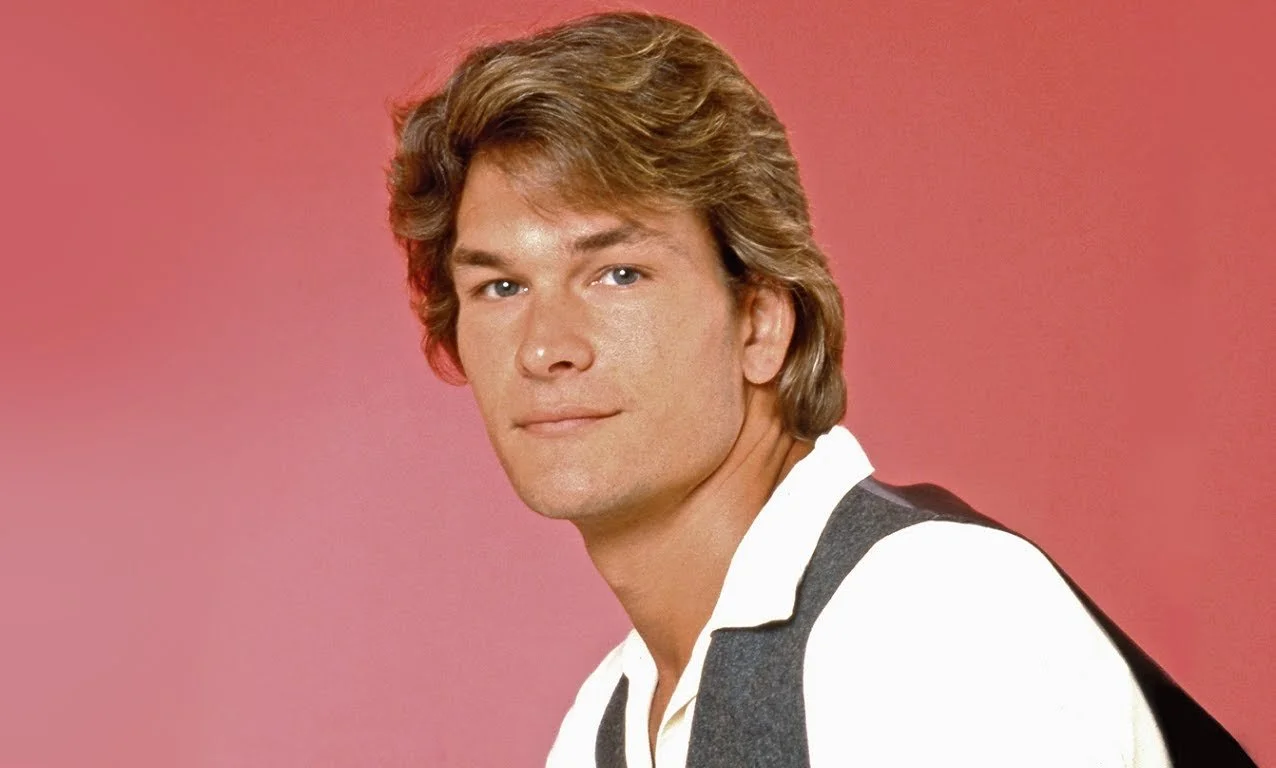
Few actors in Hollywood history embody elegance, intensity, and raw emotional power quite like Patrick Swayze. His journey from a disciplined dancer to a global film icon is one of those rare stories where talent, hard work, and timing come together perfectly. When people think of Patrick Swayze, they don’t just remember his movies—they remember the feeling he left behind on screen.
What makes the story of Patrick Swayze so compelling is the balance between physical artistry and emotional depth. He wasn’t just an actor; he was a trained dancer, a performer who understood movement as storytelling. That foundation would later shape some of the most unforgettable roles in Hollywood history.
This article explores how Patrick Swayze transformed from a dedicated dancer into one of the most beloved stars in cinema.
Early life and artistic foundation
Before becoming a Hollywood name, Patrick Swayze grew up in a creatively rich environment. Born in Houston, Texas, he was surrounded by music, dance, and performance from a very young age.
His mother, a choreographer and dance instructor, played a major role in shaping his artistic discipline. This early exposure gave Patrick Swayze a unique foundation that set him apart from many future actors.
Key influences in his early life:
- Ballet training from childhood
- Gymnastics and physical conditioning
- Musical theatre exposure
- Strong family artistic background
- Early stage performance experience
Unlike many Hollywood stars, Patrick Swayze didn’t stumble into performance—he was trained for it.
The dancer before the actor
Long before fame, Patrick Swayze was a serious professional dancer. He studied at prestigious institutions and even performed with professional dance companies.
Important dance milestones:
- San Francisco Ballet School training
- Harkness Ballet Company experience
- Disney on Parade performances
- Broadway dance work
- Stage choreography practice
This period shaped Patrick Swayze into a disciplined and expressive performer. Dance gave him body awareness, emotional control, and stage presence—skills that would later define his film career.
Transition into acting
The shift from dancer to actor wasn’t immediate, but it was natural for Patrick Swayze. His physical storytelling ability made him stand out during auditions.
Early acting appearances included small television roles and stage performances. However, his breakthrough came when Hollywood noticed his combination of strength and sensitivity.
Early acting traits of Patrick Swayze:
- Strong emotional expression
- Physical confidence on screen
- Natural charisma
- Ability to perform complex movement scenes
- Deep understanding of character emotion
This combination made Patrick Swayze a rare talent in Hollywood.
Breakthrough roles and rising fame
The 1980s marked the rise of Patrick Swayze as a major film star. His performances began attracting both audience admiration and critical attention.
Key films that built his reputation:
- The Outsiders
- Red Dawn
- Youngblood
- Dirty Dancing
- Road House
Among these, Dirty Dancing became the defining moment of his career. The role of Johnny Castle turned Patrick Swayze into a global icon almost overnight.
Dirty Dancing: the role that changed everything
When Dirty Dancing was released, it transformed Patrick Swayze into a household name. The film combined romance, dance, and emotional storytelling in a way that resonated deeply with audiences.
Why the film was iconic:
- Emotional storytelling
- Memorable dance sequences
- Strong chemistry with co-stars
- Timeless soundtrack
- Relatable coming-of-age narrative
The famous line “Nobody puts Baby in a corner” became one of the most iconic quotes in film history, further cementing Patrick Swayze as a cultural legend.
Expanding into action and drama
After Dirty Dancing, Patrick Swayze refused to be typecast. Instead of staying in romance films, he expanded into action and drama.
Notable films in this phase:
- Road House
- Ghost
- Point Break
- City of Joy
Each role showed a different side of Patrick Swayze, from spiritual romance to intense action hero.
Ghost: emotional depth and global recognition
One of the most defining films in Patrick Swayze’s career was Ghost. The movie combined romance, supernatural themes, and emotional storytelling.
Why Ghost mattered:
- Emotional acting performance
- Strong chemistry with co-stars
- Exploration of love beyond life
- Critical and commercial success
- Cultural impact worldwide
This role showed that Patrick Swayze was not just a physical performer but also a deeply emotional actor.
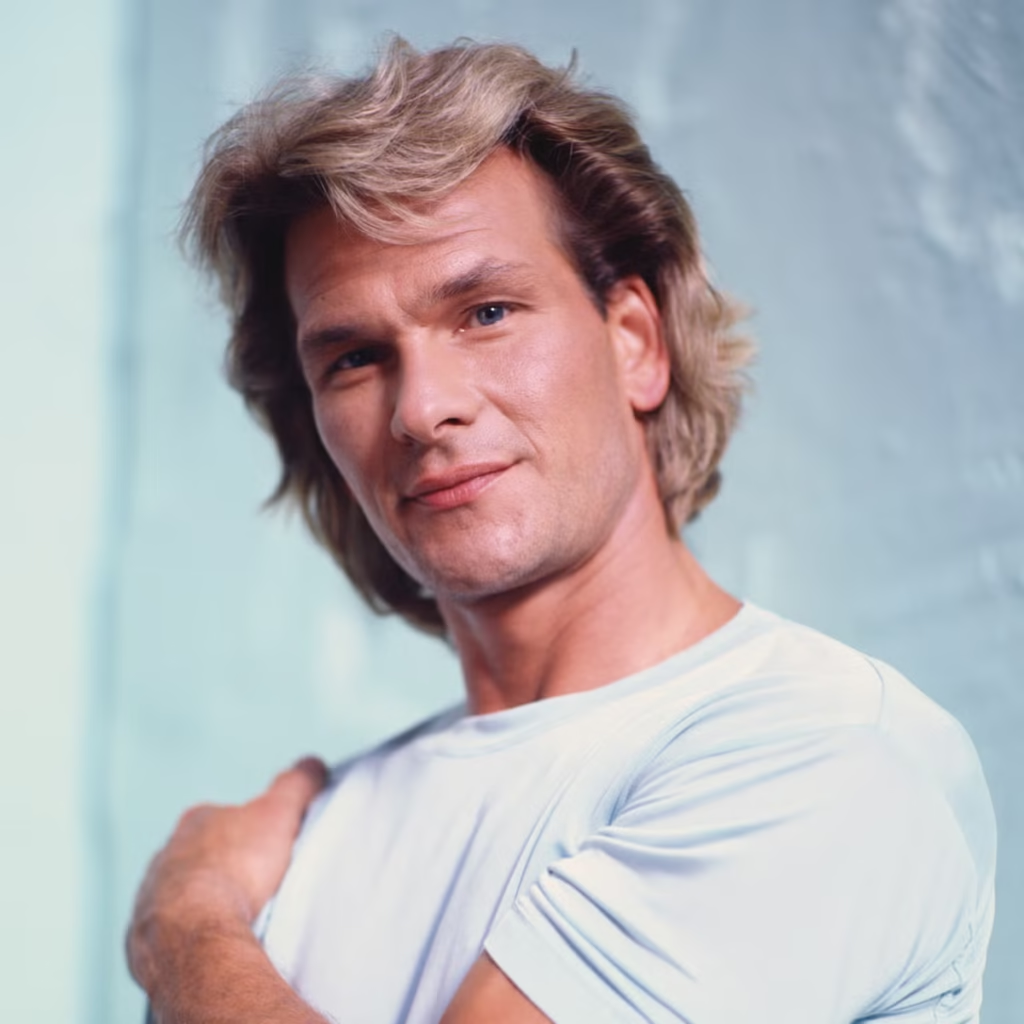
Point Break and action stardom
In Point Break, Patrick Swayze played a completely different type of character—an adrenaline-driven surfer and bank robber. The film became a cult classic.
Key highlights:
- Extreme sports culture
- High-intensity action scenes
- Philosophical undertones
- Strong antagonist role
- Iconic cinematic energy
This role further proved the versatility of Patrick Swayze.
Acting style and artistic identity
What made Patrick Swayze unique was his ability to combine physical movement with emotional storytelling.
Core elements of his acting style:
- Dance-inspired body movement
- Emotional authenticity
- Subtle facial expression control
- Strong screen presence
- Natural romantic intensity
Even in action scenes, Patrick Swayze moved like a dancer, making his performances visually distinct.
Personal challenges and resilience
Behind the fame, Patrick Swayze faced personal struggles, including health challenges later in life. However, his resilience became part of his legacy.
Important themes in his personal journey:
- Dedication to work despite illness
- Strong family support system
- Emotional strength
- Continued acting commitment
- Public inspiration for fans
Even during difficult times, Patrick Swayze continued working and inspiring audiences.
Filmography highlights
Here is a simplified overview of major works in the career of Patrick Swayze:
| Category | Films |
|---|---|
| Dance drama | Dirty Dancing |
| Romance | Ghost |
| Action | Road House |
| Thriller | Point Break |
| Drama | City of Joy |
| Early films | The Outsiders |
Each phase of Patrick Swayze’s career added a new layer to his legacy.
Cultural impact and legacy
The legacy of Patrick Swayze extends far beyond his films. He became a symbol of versatility, combining dance, action, romance, and emotional storytelling.
His cultural influence includes:
- Inspiring dance-based storytelling in cinema
- Shaping 1980s and 1990s film culture
- Influencing romantic drama films
- Becoming a pop culture icon
- Leaving a lasting Hollywood legacy
Even today, Patrick Swayze remains a reference point for performers who want to blend physicality with emotion.
Why Patrick Swayze still matters today
Decades after his peak fame, Patrick Swayze continues to be celebrated. His films are still watched, quoted, and studied.
Reasons for lasting relevance:
- Timeless performances
- Emotional authenticity
- Iconic film roles
- Strong cultural memory
- Cross-genre versatility
The name Patrick Swayze continues to represent excellence in storytelling and performance.
Conclusion
A legacy written in movement and emotion
The journey of Patrick Swayze from dancer to Hollywood star is more than a career story—it is a testament to discipline, passion, and artistic evolution. He showed that true performers are not limited to one medium but can evolve across dance, film, and emotional expression.
From Dirty Dancing to Ghost and beyond, Patrick Swayze left behind a legacy that continues to inspire actors, dancers, and audiences worldwide.