




















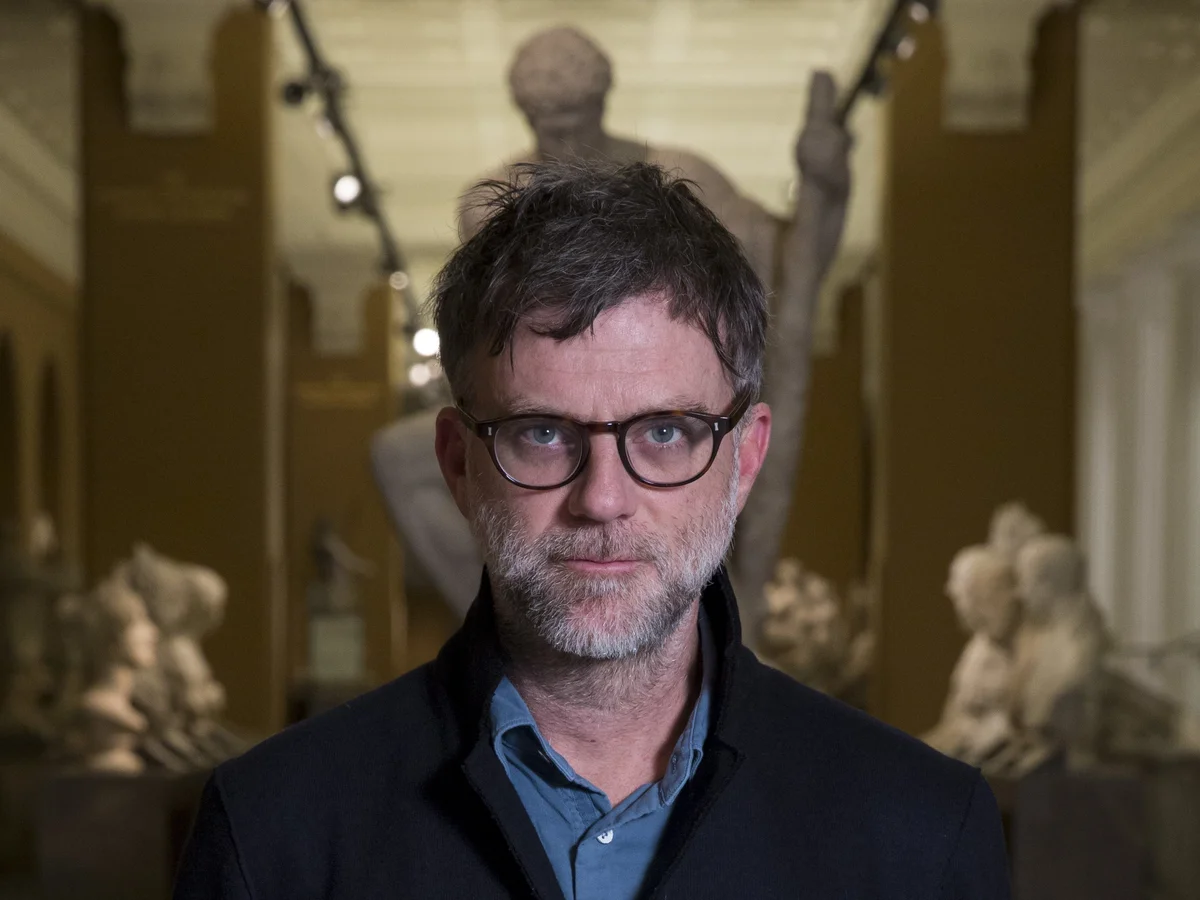
Some directors make movies. Others reshape the way stories are told on screen. Paul Thomas Anderson belongs firmly in the second group. His work doesn’t just entertain—it challenges, lingers, and often stays in your mind long after the credits roll.
What makes Paul Thomas Anderson so fascinating is his ability to blend emotional depth with technical mastery. He doesn’t rely on formulaic storytelling. Instead, he builds cinematic worlds that feel alive, unpredictable, and deeply human.
In this article, we’ll explore how Paul Thomas Anderson redefined Hollywood storytelling, why his films feel so different, and how his influence continues to shape modern cinema.
The Early Vision of Paul Thomas Anderson
From the very beginning, Paul Thomas Anderson showed signs of a filmmaker who would not follow traditional Hollywood rules. His early works already carried a sense of ambition far beyond his years.
Before becoming a household name among cinephiles, Paul Thomas Anderson was already experimenting with structure, pacing, and character-driven narratives.
Early influences and style
- inspiration from classic American cinema
- influence of independent filmmaking
- focus on flawed human characters
- long-form storytelling ambition
- preference for emotional realism
Even in his earliest films, Paul Thomas Anderson demonstrated a refusal to simplify storytelling.
Breaking Hollywood Narrative Rules
One of the reasons Paul Thomas Anderson stands out is his rejection of traditional Hollywood structure. While many films follow a clear beginning, middle, and end, his stories often feel fluid and unpredictable.
Key storytelling differences
- nonlinear narrative structures
- extended character development
- minimal reliance on clichés
- emotional ambiguity
- slow-building tension
Instead of giving easy answers, Paul Thomas Anderson prefers to let audiences interpret meaning themselves.
Character-Driven Storytelling
At the heart of every film by Paul Thomas Anderson is one thing: characters. Not plot twists. Not spectacle. But deeply human characters with flaws, contradictions, and emotional depth.
What defines his characters
- emotional instability
- moral complexity
- psychological depth
- realistic dialogue
- unpredictable decisions
This approach makes Paul Thomas Anderson films feel more like real life than traditional cinema.
Masterpieces That Changed Cinema
The filmography of Paul Thomas Anderson includes several works that are now considered modern classics. Each one contributed to reshaping Hollywood storytelling.
Key films
- Boogie Nights
- Magnolia
- There Will Be Blood
- The Master
- Phantom Thread
- Licorice Pizza
Each of these films shows a different side of Paul Thomas Anderson, from chaotic ensemble storytelling to intimate character studies.
The Emotional Power of His Films
Unlike many directors who focus on plot mechanics, Paul Thomas Anderson focuses on emotional truth. His films often explore loneliness, ambition, obsession, and identity.
Common emotional themes
- isolation and human connection
- power and corruption
- family tension
- personal failure and redemption
- desire and self-destruction
These themes make Paul Thomas Anderson films emotionally intense and intellectually rich.
Visual Style and Cinematic Identity
Another reason Paul Thomas Anderson stands out is his visual language. His camera work is not just functional—it is expressive.
Signature visual techniques
- long continuous shots
- dynamic camera movement
- wide cinematic framing
- natural lighting aesthetics
- immersive scene composition
This visual identity makes Paul Thomas Anderson instantly recognizable as a director.

Collaboration with Actors
A major strength of Paul Thomas Anderson is his ability to extract powerful performances from actors. Many performers give career-defining roles in his films.
Frequent collaborators and performances
- Daniel Day-Lewis
- Philip Seymour Hoffman
- Joaquin Phoenix
- Mark Wahlberg
- Adam Sandler (dramatic breakthrough role)
Under Paul Thomas Anderson, actors often deliver some of their most emotionally complex performances.
Sound and Music as Storytelling Tools
Music plays a crucial role in Paul Thomas Anderson films. Instead of using sound as background decoration, he integrates it into storytelling.
Musical storytelling elements
- Jonny Greenwood collaborations
- emotional score integration
- tension-building sound design
- silence as a narrative tool
- rhythmic editing techniques
This careful use of sound elevates Paul Thomas Anderson films into immersive experiences.
Why Paul Thomas Anderson Changed Hollywood
The impact of Paul Thomas Anderson on Hollywood is not limited to box office success. It is about changing how stories are told.
Major contributions
- redefining narrative structure
- elevating character complexity
- blending art and entertainment
- influencing new generation directors
- expanding cinematic language
Through these contributions, Paul Thomas Anderson helped reshape modern filmmaking.
Influence on Modern Directors
Many contemporary filmmakers cite Paul Thomas Anderson as a major influence. His approach to storytelling has inspired a shift toward more artistic and character-focused cinema.
Areas of influence
- indie film movement growth
- character-focused storytelling
- artistic cinematography trends
- experimental narrative structures
- emotional realism in cinema
The legacy of Paul Thomas Anderson continues to grow with each new generation of filmmakers.
Conclusion
The reason Paul Thomas Anderson stands out in Hollywood is simple: he doesn’t follow trends—he creates them. Through bold storytelling, emotional depth, and visual innovation, he has completely reshaped modern cinema.
From Boogie Nights to There Will Be Blood, Paul Thomas Anderson has consistently proven that films can be both intellectually challenging and emotionally powerful.