





















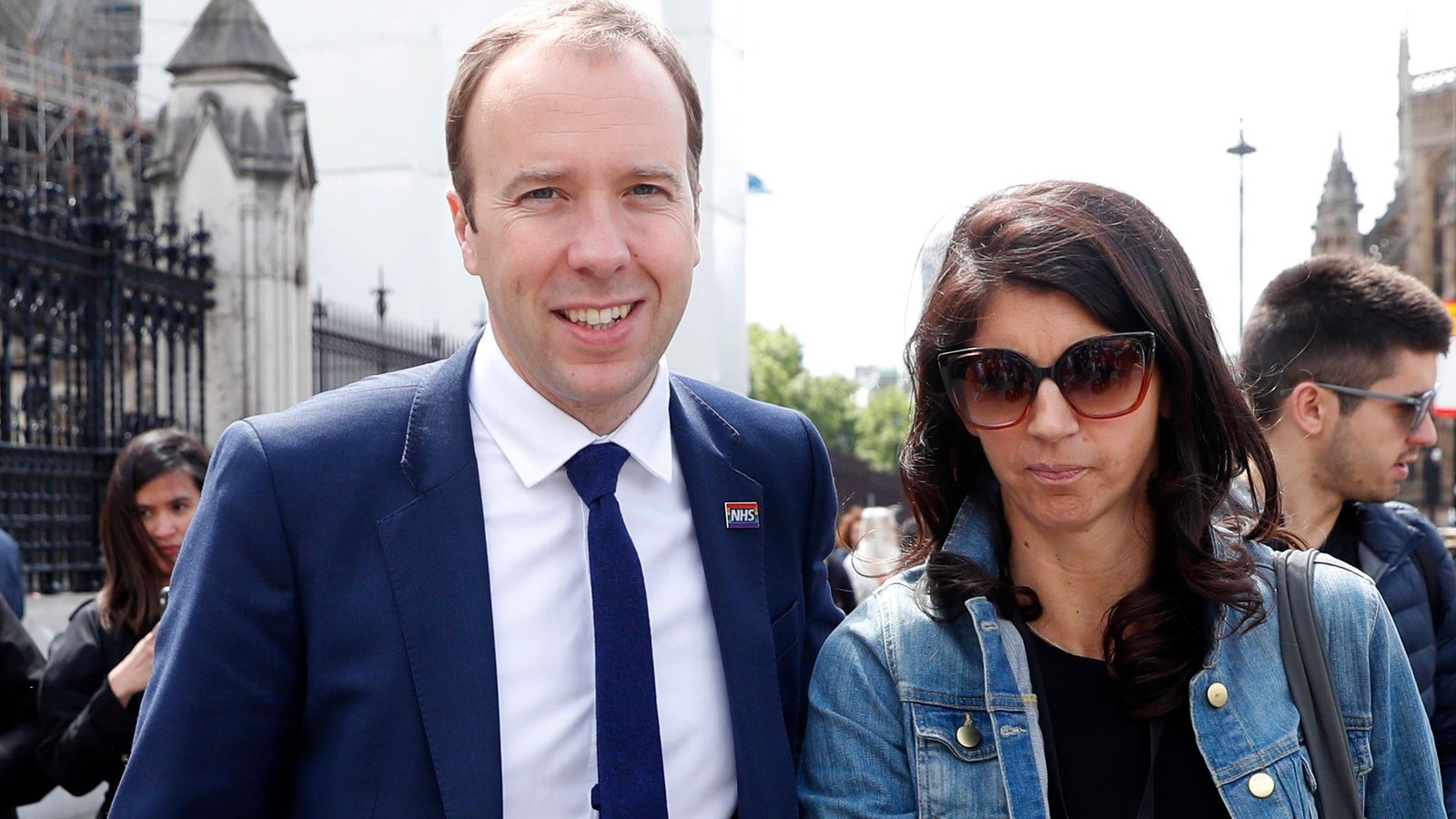
The Matt Hancock Affair became one of the most widely discussed political scandals in modern UK history, not just because of the personal nature of the story, but because it unfolded during a time when the entire country was under strict COVID-19 restrictions. For many people, it symbolised a clash between public duty and private behaviour, raising serious questions about leadership, accountability, and trust in government.
While the story dominated headlines for weeks, the deeper impact of the Matt Hancock Affair continues to be debated today. It wasn’t just about one moment caught on camera; it was about the wider political consequences that followed and how public confidence was affected.
In this article, we break everything down in a clear, factual, and easy-to-follow way.
Who is Matt Hancock?
Before understanding the Matt Hancock Affair, it is important to know who he is and why his role mattered so much at the time.
Matt Hancock Bio
| Category | Details |
|---|---|
| Full Name | Matthew John David Hancock |
| Date of Birth | 2 October 1978 |
| Age | 47 (approx.) |
| Profession | Politician |
| Nationality | British |
| Net Worth (approx.) | Estimated £2–4 million |
| Notable Roles | UK Secretary of State for Health and Social Care (2018–2021) |
Matt Hancock served as the UK Health Secretary during one of the most challenging periods in recent history: the COVID-19 pandemic. His decisions and public briefings made him a central figure in government communication during lockdowns.
This is one of the key reasons the Matt Hancock Affair attracted so much attention—because it involved a senior official responsible for enforcing public health rules.
What is the Matt Hancock Affair?
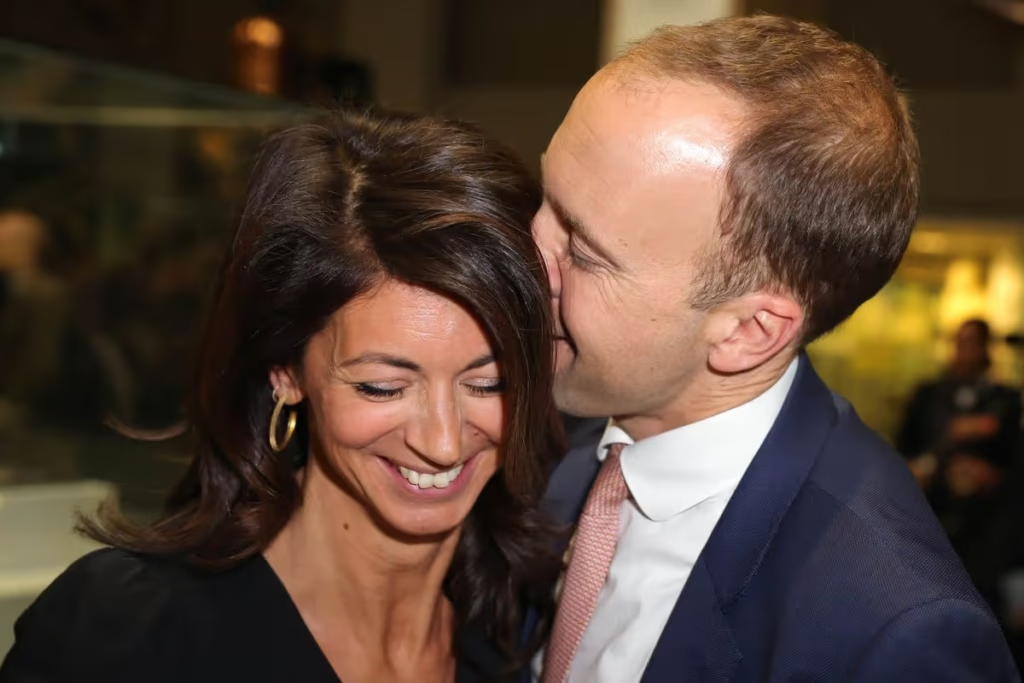
The Matt Hancock Affair refers to a widely reported personal relationship between Matt Hancock and Gina Coladangelo, who was an adviser at the Department of Health and Social Care.
The situation became public in June 2021 when leaked footage showed the two in a private office setting, breaking social distancing rules that were still in place at the time. The revelation quickly turned into a national political scandal.
The Matt Hancock Affair was not only about personal conduct but also about public trust, as millions of people were still living under strict restrictions when the incident occurred.
Timeline of the Matt Hancock Affair
Understanding the sequence of events helps make sense of how quickly the situation escalated.
Early Relationship Period
- Matt Hancock and Gina Coladangelo had known each other for several years
- She was appointed as an adviser in the Department of Health
During the Pandemic
- Hancock was leading COVID-19 response efforts
- Strict lockdown rules were in place across the UK
- Government officials were expected to follow the same rules as the public
June 2021 – The Leak
- CCTV footage emerged showing close physical contact in a ministerial office
- The footage was widely circulated by media outlets
- Public reaction was immediate and intense
Aftermath
- Matt Hancock resigned from his position as Health Secretary
- The relationship became publicly acknowledged
- Political debate continued about rule enforcement and accountability
This timeline is central to understanding the Matt Hancock Affair and why it caused such widespread controversy.
Why the Matt Hancock Affair Caused Public Outrage
The reaction to the Matt Hancock Affair was not just about personal choices. It reflected deeper frustrations already present in society.
Key Reasons for Public Reaction
- COVID-19 Restrictions: Many people had sacrificed weddings, funerals, and family gatherings
- Government Messaging: Officials had repeatedly urged strict compliance
- Perceived Double Standards: The idea that leaders may not have followed their own rules
- Timing: The incident happened while restrictions were still affecting daily life
Because of these factors, the Matt Hancock Affair became symbolic of a wider sense of unfairness felt by the public.
Political Consequences of the Matt Hancock Affair
The political fallout was immediate and significant.
Resignation from Office
Matt Hancock resigned as Health Secretary shortly after the footage became public. This marked a major turning point in his political career.
Government Response
The government distanced itself from the situation, emphasizing that ministers must maintain public trust.
Opposition Reaction
Opposition parties raised questions about leadership standards and consistency in enforcing rules.
Long-Term Impact
Even after resigning, the Matt Hancock Affair continued to influence discussions about political accountability and ethics in public office.
Public and Media Reaction
The media coverage of the Matt Hancock Affair was extensive and relentless. It became a major talking point across television, newspapers, and social media platforms.
Public Sentiment
Public reaction was mixed but largely critical:
- Some focused on rule-breaking during a national crisis
- Others debated the personal vs professional boundary
- A smaller group emphasized privacy concerns
Media Coverage Style
The media often framed the Matt Hancock Affair as:
- A breach of trust
- A leadership failure
- A symbolic moment of pandemic-era politics
This wide coverage ensured the story remained in public discussion far longer than many other political events.
Understanding the Ethical Debate
The Matt Hancock Affair also sparked deeper ethical questions.
Key Ethical Questions Raised
- Should personal relationships in government workplaces be regulated more strictly?
- Do public officials lose privacy rights in leadership roles?
- How should accountability be enforced during crises?
These questions remain relevant, as the Matt Hancock Affair is often referenced in discussions about political ethics and leadership standards.
The Role of Trust in Leadership
One of the biggest consequences of the Matt Hancock Affair was the impact on public trust.
Trust is essential in government, especially during emergencies. When leaders introduce rules that affect millions of lives, their personal conduct is often seen as a reflection of their credibility.
The Matt Hancock Affair highlighted how quickly trust can be damaged and how difficult it can be to rebuild.
Media, Politics, and Public Perception
Another important dimension of the Matt Hancock Affair is how modern media amplifies political stories.
In today’s digital environment:
- News spreads instantly
- Viral content shapes opinion quickly
- Public figures face intense scrutiny
The Matt Hancock Affair is a clear example of how personal moments can become national political debates within hours.
Life After the Scandal
Following the resignation, Matt Hancock continued to remain in public life, although in a very different capacity compared to his role as Health Secretary.
While the Matt Hancock Affair remains a defining moment in his career, it has also become part of a broader discussion about second chances in politics and public redemption.
Some argue that public figures should be able to move forward, while others believe consequences must remain tied to leadership accountability.
Broader Lessons from the Matt Hancock Affair
The Matt Hancock Affair offers several broader lessons about leadership and society:
- Public trust is fragile and must be protected
- Leaders are held to higher standards during crises
- Transparency matters in government institutions
- Personal decisions can have professional consequences
- Media plays a powerful role in shaping narratives
These lessons continue to be discussed in political analysis today.
Conclusion
The Matt Hancock Affair remains one of the most talked-about political scandals in recent UK history, not only because of what happened but because of what it represented. It highlighted tensions between personal behaviour and public responsibility, especially during a time of national crisis.
Ultimately, the Matt Hancock Affair serves as a reminder that leadership is not only about policy decisions but also about personal integrity and public trust. Its impact continues to influence political discussions, ethical standards, and public expectations of those in power.
If anything, the story shows how quickly trust can be questioned and how long its effects can last in the public consciousness.