





















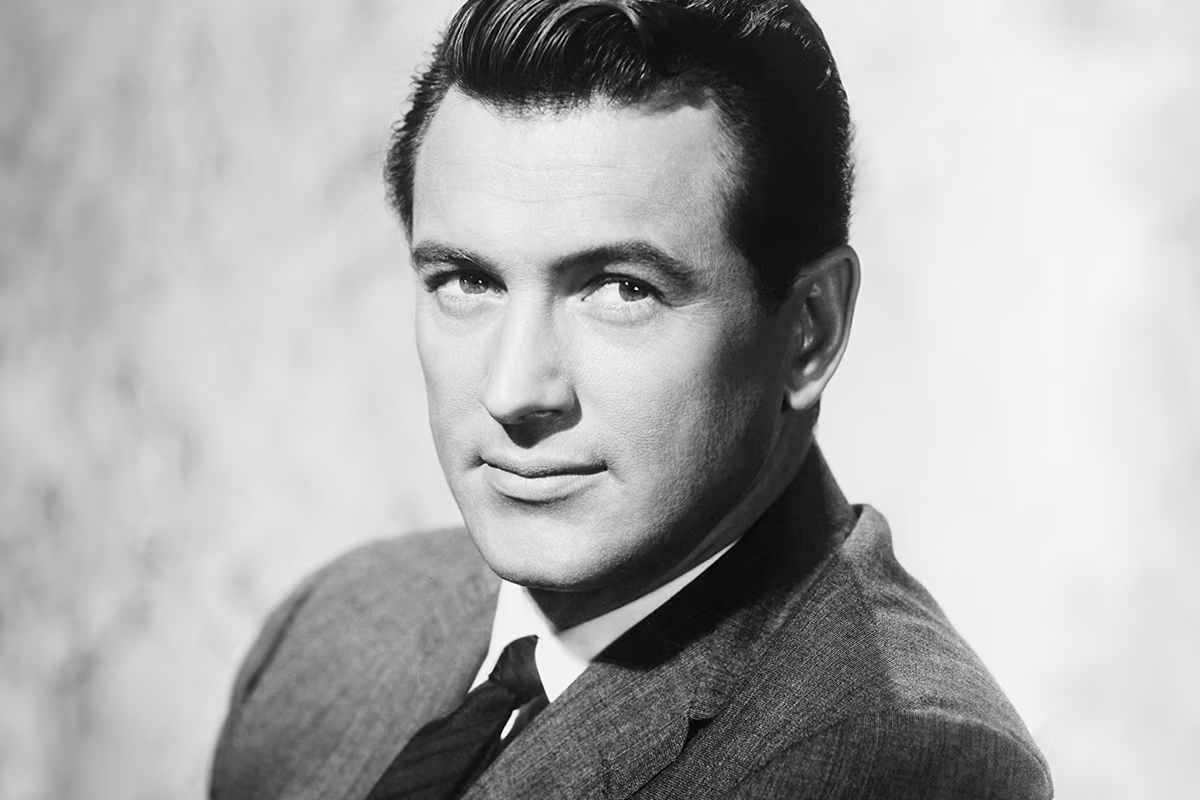
Few names capture the golden age of Hollywood quite like Rock Hudson. Tall, charismatic, and effortlessly charming on screen, he became one of the most recognizable leading men of the 1950s and 1960s. Yet behind the glamour, the story of Rock Hudson is far more complex than the polished image audiences saw in cinemas.
His journey reflects both the brilliance and contradictions of Hollywood’s studio system. From romantic comedies to dramatic performances, Rock Hudson built a career that defined an era while also revealing how carefully Hollywood shaped its stars.
Even today, decades after his passing, the legacy of Rock Hudson continues to influence film history, pop culture discussions, and the way we understand celebrity image-making.
Early Life and Humble Beginnings
Before he became a global movie star, Rock Hudson was born as Roy Harold Scherer Jr. in Illinois. His early life was far removed from the glamour of Hollywood. Raised in a modest household, he experienced financial struggles and uncertainty during his childhood.
Like many future actors of his generation, Rock Hudson did not initially set out to become a film icon. After high school, he served in the U.S. Navy during World War II. It was only after returning from service that he began exploring opportunities in entertainment.
The First Steps Toward Hollywood
When he arrived in Los Angeles, Rock Hudson had no formal acting experience. However, his striking looks and natural presence quickly caught the attention of talent scouts.
He was signed by Universal Pictures, a decision that would completely transform his life. The studio system immediately began shaping him into a future leading man, including changing his name to “Rock Hudson,” a combination inspired by the Rock of Gibraltar and the Hudson River.
The Rise of a Hollywood Leading Man
The 1950s marked the beginning of Rock Hudson’s rise to fame. Under Universal Pictures, he was carefully groomed for stardom. At first, his roles were small and sometimes unremarkable, but the studio believed in his potential.
Soon, Rock Hudson began appearing in bigger productions, and audiences responded strongly to his screen presence.
Breakthrough Success
His breakthrough came with films like Magnificent Obsession (1954), which positioned him as a romantic leading man. The emotional depth he brought to his character surprised critics and audiences alike.
From that moment, Rock Hudson became a household name.
Why Audiences Loved Him
- Tall, classic Hollywood appearance
- Strong romantic chemistry with co-stars
- Smooth and confident screen presence
- Ability to balance drama and charm
The studio quickly realized they had created one of their most bankable stars.
The Golden Era of Romantic Films
During the late 1950s and early 1960s, Rock Hudson became synonymous with romantic comedies and melodramas.
One of the most iconic collaborations in his career was with actress Doris Day. Together, they starred in a series of successful romantic comedies that defined the genre.
Famous Film Collaborations
- Pillow Talk
- Lover Come Back
- Send Me No Flowers
These films showcased Rock Hudson as the ideal romantic lead—charming, humorous, and effortlessly likable.
Impact of His Romantic Roles
The success of these films established a formula that Hollywood often tried to replicate:
- Elegant storytelling
- Light-hearted romance
- Strong chemistry between leads
- Clean, family-friendly humor
In many ways, Rock Hudson helped define what romantic comedy looked like in classic Hollywood cinema.
Expanding Into Dramatic Roles
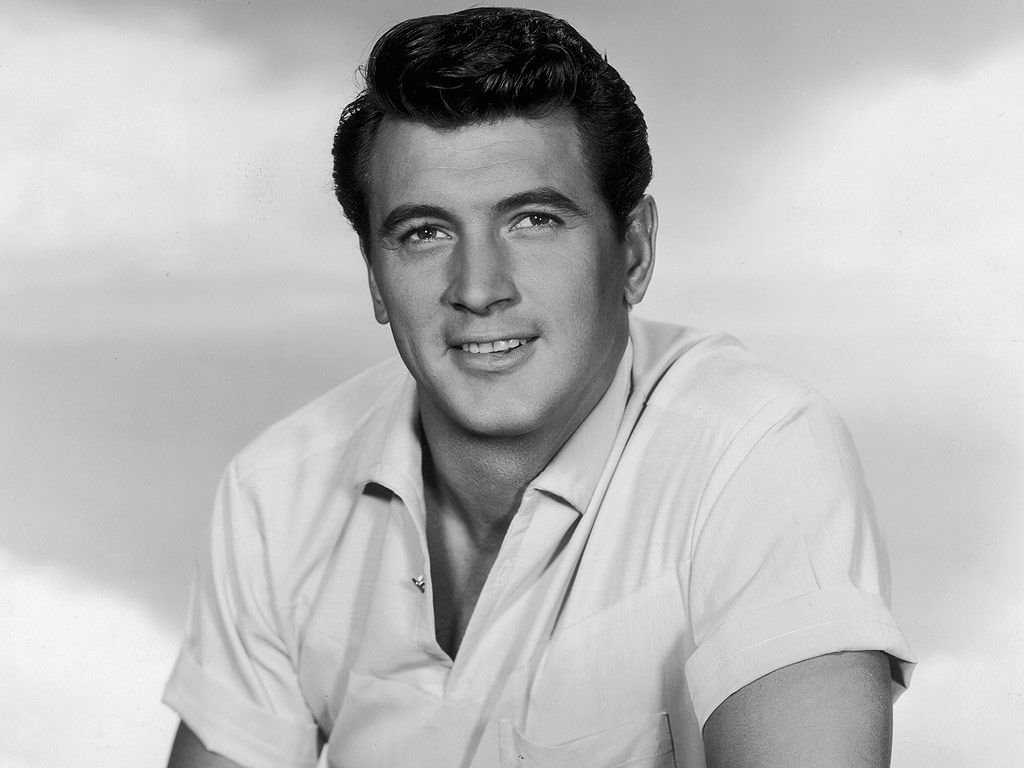
Although best known for romantic comedies, Rock Hudson also proved his ability in more serious roles.
One of his most acclaimed performances came in Giant (1956), where he starred alongside Elizabeth Taylor and James Dean.
A More Complex Side of Rock Hudson
In Giant, Rock Hudson played a wealthy Texas rancher navigating generational conflict and social change. The role allowed him to demonstrate emotional depth and maturity.
This performance earned him critical respect and proved he was more than just a romantic figure.
Challenges Behind the Hollywood Image
Despite his success, the life of Rock Hudson was not without challenges. Hollywood in the mid-20th century placed strict expectations on its stars, especially regarding public image.
The studio system carefully controlled how actors were presented to the public. For Rock Hudson, this meant maintaining a carefully constructed image of masculinity and romance.
The Pressure of Stardom
- Constant media attention
- Strict studio image management
- Limited personal privacy
- High expectations from fans and executives
These pressures shaped much of Rock Hudson’s public life, often hiding the more personal aspects of his identity.
A Career Evolution in Later Years
As Hollywood changed in the late 1960s and 1970s, so did Rock Hudson. The traditional studio system began to fade, and new styles of filmmaking emerged.
During this time, he transitioned into television and more diverse film roles.
Television Success
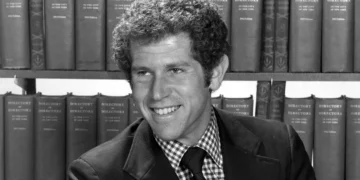
One of his notable later achievements was the television series McMillan & Wife, where Rock Hudson played a crime-solving police commissioner.
This role introduced him to a new generation of viewers and proved his adaptability as an actor.
Personal Life and Public Perception
The personal life of Rock Hudson was often the subject of speculation, but during most of his career, he maintained a carefully guarded private life due to societal pressures of the time.
What remains clear is that he was deeply respected by colleagues and admired by fans worldwide.
Relationships in the Public Eye
While much attention focused on his romantic film roles, Rock Hudson remained private about his real-life relationships. In Hollywood’s earlier decades, privacy was often necessary for career survival.
The Final Years and AIDS Awareness Impact
One of the most significant aspects of Rock Hudson’s legacy came in the final years of his life.
In the 1980s, he became one of the first major celebrities to publicly reveal a diagnosis related to AIDS. This announcement had a profound impact on public awareness of the disease.
Why His Announcement Mattered
- Increased global attention to AIDS research
- Reduced stigma surrounding the illness
- Encouraged public health conversations
- Humanized a misunderstood condition
The revelation transformed Rock Hudson into an unexpected advocate, even in his final months.
Legacy in Hollywood History
The legacy of Rock Hudson is multifaceted. He is remembered not only for his film roles but also for his influence on Hollywood’s image-making system.
Lasting Contributions
- Defined the classic Hollywood leading man
- Helped shape romantic comedy cinema
- Delivered powerful dramatic performances
- Raised global awareness of AIDS
His career remains a key part of film studies and Hollywood history discussions.
Film Career Overview Table
| Category | Highlights |
|---|---|
| Early Career | Studio training and small roles |
| Breakthrough | Magnificent Obsession |
| Romantic Comedies | Films with Doris Day |
| Dramatic Roles | Giant and serious performances |
| Television Work | McMillan & Wife |
| Cultural Impact | AIDS awareness and public legacy |
Why Rock Hudson Still Matters Today
Even decades after his passing, Rock Hudson continues to be a relevant figure in entertainment history. Modern audiences rediscover his films and gain a new appreciation for his performances.
His story also sparks conversations about Hollywood image-making, identity, and the pressures faced by public figures.
Reasons His Legacy Endures
- Classic film appeal
- Strong on-screen charisma
- Cultural historical importance
- Emotional human story behind fame
Few actors from his era maintain such widespread recognition today.
Influence on Modern Cinema
Modern romantic comedies still reflect patterns that Rock Hudson helped popularize. His collaborations with Doris Day set a standard for on-screen chemistry that many films still try to recreate.
Additionally, his dramatic work in films like Giant continues to be studied for its storytelling depth and character development.
Conclusion
A Star Beyond the Screen
The story of Rock Hudson is one of brilliance, complexity, and lasting influence. From his early days as a studio-crafted leading man to his status as a cultural icon, his journey reflects both the glamour and challenges of Hollywood’s golden age.
While audiences first admired him for his charm and screen presence, his legacy expanded far beyond entertainment. Through his films, television work, and final public impact, Rock Hudson left a mark that continues to shape how we view cinema and celebrity.