




















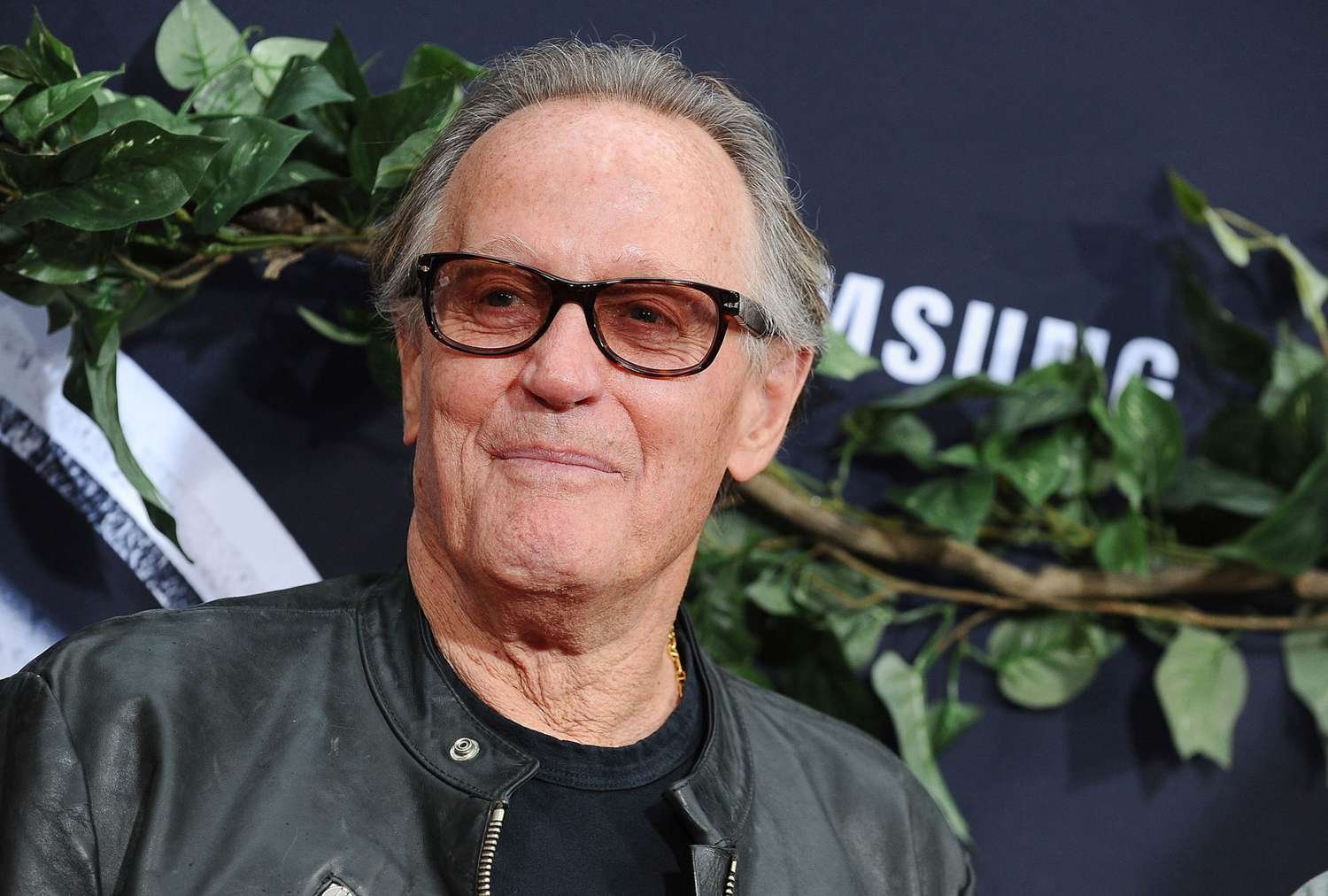
Hollywood has always celebrated rebels, dreamers, and storytellers who reshape the way audiences see cinema. Among those unforgettable names, Peter Fonda stands out as a figure who didn’t just act in movies—he helped define an era of filmmaking. From his breakthrough in Easy Rider to a long and varied Hollywood career, his journey is one filled with creativity, controversy, reinvention, and lasting influence.
The story of Peter Fonda is not simply about fame. It is about artistic freedom, counterculture expression, and a lifelong connection to film that changed American cinema forever.
Peter Fonda Biography
| Detail | Information |
|---|---|
| Full Name | Peter Henry Fonda |
| Date of Birth | February 23, 1940 |
| Age | Passed away in 2019 at age 79 |
| Profession | Actor, Director, Screenwriter |
| Nationality | American |
| Net Worth (Approx.) | Around $40 Million |
| Notable Works / Achievements | Easy Rider, Ulee’s Gold, The Wild Angels, Academy Award Nomination |
Early Life and Hollywood Roots
Before becoming the iconic Peter Fonda known worldwide, he was born into one of Hollywood’s most famous acting families. His father, Henry Fonda, was already a legendary actor, and this meant Peter grew up surrounded by film sets, scripts, and artistic discussions.
However, life in a famous household did not guarantee an easy path. In fact, Peter Fonda often struggled with expectations tied to his family name. Instead of following a traditional Hollywood route, he chose something far more rebellious.
Searching for Identity
From a young age, Peter Fonda wanted to carve out his own identity. While his father represented classic Hollywood, Peter gravitated toward more experimental and countercultural ideas.
This tension would later shape the direction of his entire career.
The Beginning of Peter Fonda’s Acting Career
The early career of Peter Fonda was filled with experimentation and gradual recognition. He appeared in several films during the 1960s, many of which reflected youthful rebellion and changing social values.
Early Film Roles
Some of his early appearances included:
- Tammy and the Doctor
- The Young Lovers
- The Wild Angels
These films helped establish him as part of a new wave of actors who were challenging Hollywood’s traditional storytelling style.
Becoming a Counterculture Figure
By the mid-1960s, Peter Fonda was no longer just another actor. He had become a symbol of cultural change. His style, attitude, and film choices reflected the growing counterculture movement in America.
And this movement would eventually lead to his most important role.
Easy Rider and a Cultural Revolution
When discussing Peter Fonda, it is impossible not to focus on Easy Rider.
Released in 1969, Easy Rider was more than a movie. It was a cultural statement that captured the spirit of a generation.
The Making of Easy Rider
Peter Fonda co-wrote and co-produced the film alongside Dennis Hopper. The idea was simple but powerful: two bikers traveling across America in search of freedom.
Fonda played the character Wyatt, also known as “Captain America.”
Why Easy Rider Changed Everything
The film became a landmark in cinema history for several reasons:
- It challenged traditional Hollywood storytelling
- It highlighted themes of freedom and rebellion
- It featured real locations instead of studio sets
- It embraced a raw, realistic filming style
- It reflected the counterculture movement of the 1960s
For Peter Fonda, this film transformed him from actor to cultural icon almost overnight.
Impact on Hollywood
After Easy Rider, Hollywood began to change. Studios realized that audiences wanted more realistic, bold, and socially relevant stories.
In many ways, Peter Fonda helped open the door for a new generation of filmmakers.
Peter Fonda’s Career After Easy Rider
Following the massive success of Easy Rider, Peter Fonda continued working in Hollywood, though not always in the mainstream spotlight.
Exploring Different Roles
He appeared in a wide range of films, including:
- The Hired Hand (which he also directed)
- Dirty Mary, Crazy Larry
- Race with the Devil
- Futureworld
Each project allowed him to explore different genres, from Western-style dramas to science fiction thrillers.
Behind the Camera
Peter Fonda was not only an actor but also a director and screenwriter. His creative vision extended beyond acting, showing his deep commitment to storytelling.
Later Career and Critical Recognition
Although Peter Fonda experienced ups and downs in Hollywood, his career took a powerful turn later in life.
Ulee’s Gold and Oscar Nomination
One of the most important moments in his later career came with the film Ulee’s Gold (1997).
In this film, Fonda played a quiet, emotionally complex beekeeper dealing with family struggles.
His performance was widely praised, earning him:
- Academy Award nomination for Best Actor
- Golden Globe Award win for Best Actor
This marked a major comeback and reminded audiences of his incredible talent.
Renewed Respect in Hollywood
After Ulee’s Gold, Peter Fonda was recognized not just as a counterculture icon, but as a serious and respected actor.
He continued to appear in films and television projects, often taking supporting roles that added depth and gravitas.
Peter Fonda’s Legacy in Cinema
The legacy of Peter Fonda is deeply tied to the evolution of American cinema.
Contributions to Film Culture
His influence can be summarized in several key areas:
- Revolutionizing independent filmmaking
- Promoting creative freedom in Hollywood
- Representing the 1960s counterculture movement
- Inspiring future generations of filmmakers
- Blending acting with storytelling and directing
A Symbol of Artistic Freedom
For many film historians, Peter Fonda represents a turning point in Hollywood. He helped prove that films could be personal, political, and artistic at the same time.
Key Highlights of Peter Fonda’s Career
Here is a structured overview of major milestones in Peter Fonda’s career:
| Year | Achievement |
|---|---|
| 1966 | Breakthrough in The Wild Angels |
| 1969 | Co-wrote and starred in Easy Rider |
| 1971 | Directed The Hired Hand |
| 1970s | Starred in multiple cult films |
| 1997 | Won Golden Globe for Ulee’s Gold |
| 1997 | Oscar nomination for Best Actor |
| 2000s–2010s | Continued acting in film and TV |
Personal Style and Influence
One of the reasons Peter Fonda remains so memorable is his unique screen presence.
Characteristics of His Acting Style
- Natural and understated performance
- Strong emotional depth
- Ability to portray rebellious characters
- Authentic, grounded delivery
He never relied on exaggerated acting. Instead, he focused on realism, which made his characters feel believable and relatable.
Cultural Impact of Peter Fonda
Beyond film, Peter Fonda became a cultural symbol.
Influence on Music and Art
His image in Easy Rider influenced:
- Rock music culture
- Fashion trends of the 1970s
- Independent film movements
- Artistic expressions of freedom
Many musicians and filmmakers have cited him as an inspiration.
A Voice of Independence
Even off-screen, Peter Fonda represented independence and individuality. His career choices often reflected a desire to avoid commercial limitations.
Why Peter Fonda Still Matters Today
Even years after his passing, Peter Fonda continues to be relevant in discussions about cinema history.
Timeless Influence
Modern filmmakers still draw inspiration from his work, especially Easy Rider. The film remains a cornerstone of film studies and independent cinema.
A Bridge Between Eras
Peter Fonda’s career connects classic Hollywood with modern filmmaking. He lived through major transitions in the industry and played a role in shaping them.
Lessons from Peter Fonda’s Life
The journey of Peter Fonda offers several meaningful lessons:
- Creativity often requires risk
- Artistic freedom can reshape industries
- Success can come in multiple stages of life
- Reinvention is always possible
- Legacy is built through impact, not just fame
Conclusion
The Lasting Legacy of Peter Fonda
The story of Peter Fonda is one of transformation, creativity, and cultural influence. From his early days in Hollywood to his groundbreaking role in Easy Rider and his later critical success, he built a career that defied expectations.
He was more than an actor—he was a storyteller, a filmmaker, and a symbol of artistic rebellion. His work helped redefine American cinema and inspired countless creators to follow their own paths.
Today, the legacy of Peter Fonda lives on not only in his films but in the entire spirit of independent filmmaking. His journey from Easy Rider to Hollywood fame remains one of the most important stories in film history.