




















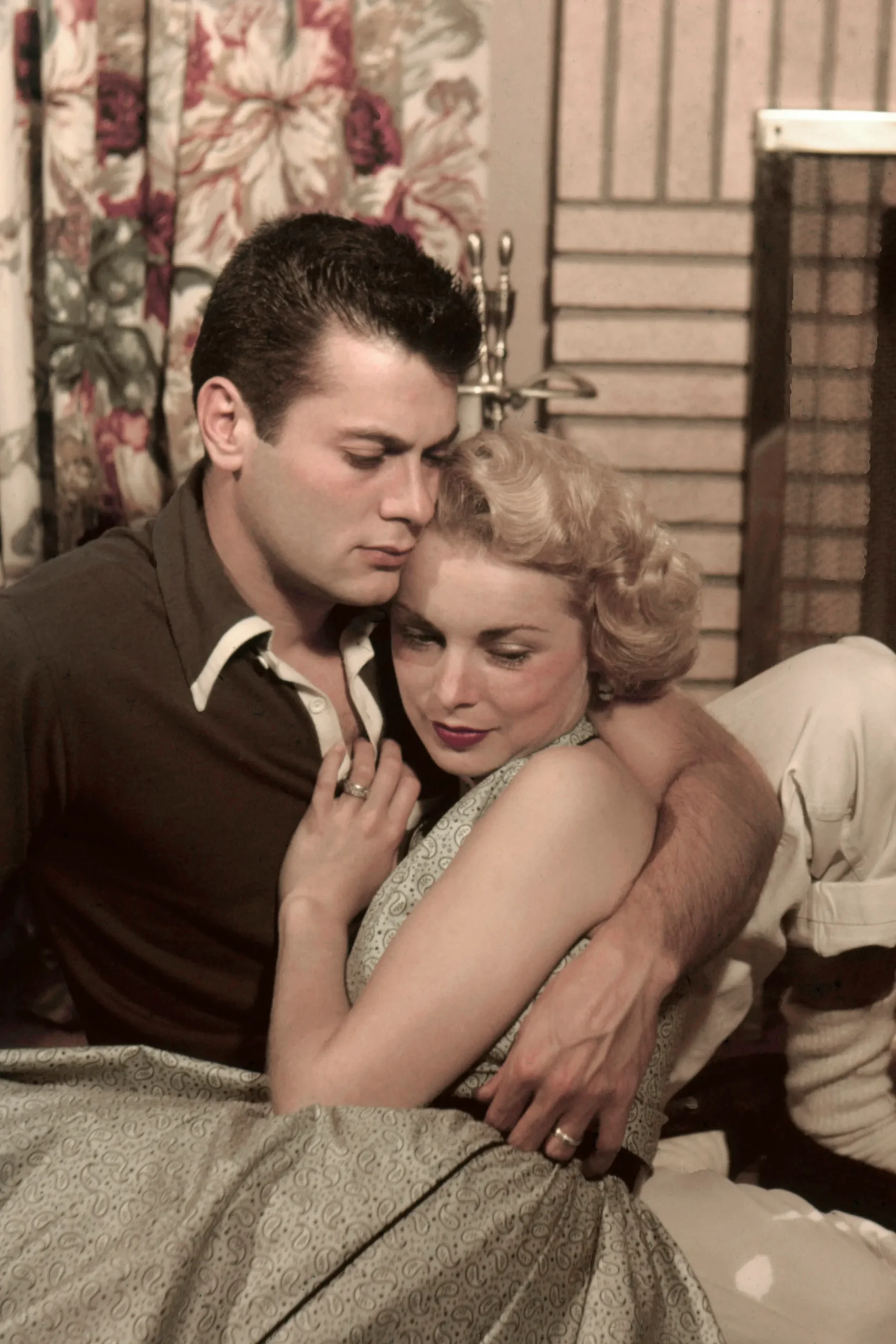
Some performances in cinema history don’t just entertain—they redefine what movies can do. One such unforgettable moment belongs to Janet Leigh, whose role in Alfred Hitchcock’s Psycho turned a relatively established actress into a permanent legend of Hollywood storytelling.
When people talk about shocking scenes in film history, the conversation almost always circles back to Psycho. And at the heart of it stands Janet Leigh, whose portrayal of Marion Crane still sparks discussion decades later. What makes her story even more fascinating is that her fame wasn’t built overnight; it was carefully shaped through years of steady work, unexpected opportunities, and one groundbreaking role that changed everything.
In this article, we’ll explore how Janet Leigh rose to stardom, why her performance in Psycho became so iconic, and how it permanently reshaped both her career and cinematic history.
Who Was Janet Leigh?
Before becoming a household name through Psycho, Janet Leigh was already a respected actress in Hollywood’s golden age. Her beauty, elegance, and screen presence made her one of the most recognizable stars of her time, but her journey was far more grounded than many assume.
BIO Section
| Category | Details |
|---|---|
| Full Name | Jeanette Helen Morrison |
| Date of Birth | July 6, 1927 |
| Age | Deceased (aged 77 in 2004) |
| Profession | Actress, Author |
| Nationality | American |
| Net Worth (approx.) | Estimated multi-million legacy |
| Notable Works / Achievements | Psycho, The Manchurian Candidate, Academy Award nominations, Golden Globe winner |
From the beginning, Janet Leigh showed a natural ability to connect with audiences. She wasn’t just another studio product; she carried a sincerity that made her performances feel grounded and believable.
Early Life and the Beginning of Stardom
Like many stars of Hollywood’s golden era, Janet Leigh did not start in film. She grew up in a modest household and was discovered almost by chance. Her rise began when actress Norma Shearer saw her photograph and recognized potential that studios couldn’t ignore.
Soon after, Janet Leigh was signed to MGM, one of the most powerful studios in Hollywood at the time. That contract marked the beginning of her transformation from a young aspiring performer into a rising star.
Her early roles were often light and charming, which helped her build a strong public image. However, what made Janet Leigh stand out was her emotional versatility. She could shift from innocence to intensity without losing authenticity.
Hollywood Breakthrough and Rising Fame
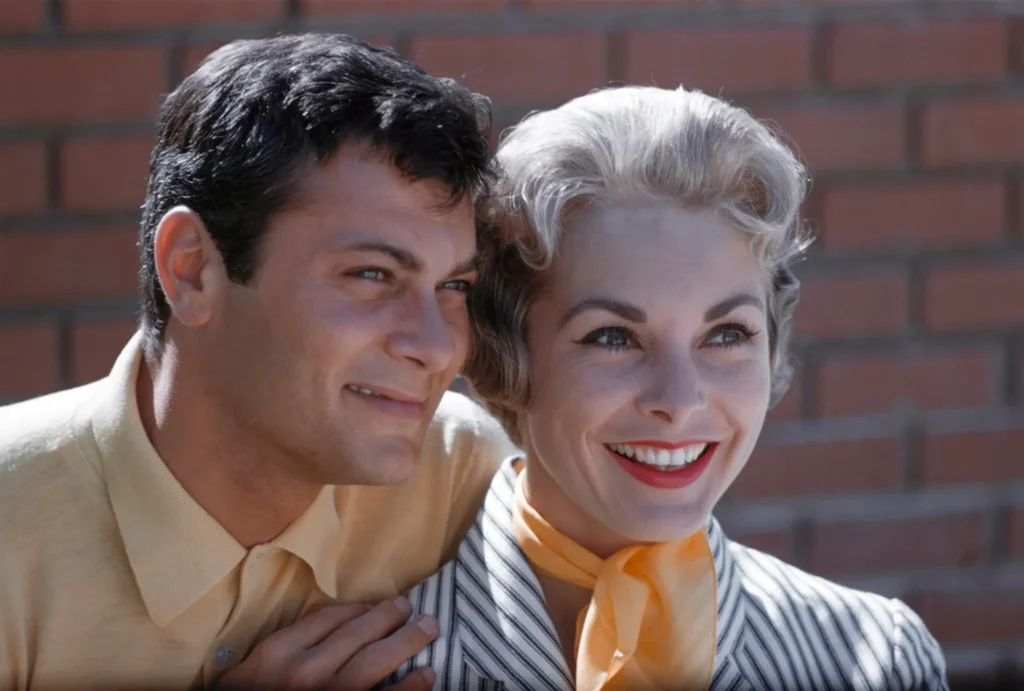
As her career developed, Janet Leigh began appearing in larger productions alongside major stars of the era. Films such as Little Women and Act of Violence helped establish her as a serious actress rather than just a glamorous face.
During this time, she became known for:
- Strong emotional expressions on screen
- Natural chemistry with co-stars
- A graceful yet relatable screen presence
- Ability to handle both drama and romance
However, even with her growing success, Janet Leigh had not yet reached the level of fame that would define her legacy. That moment was still ahead.
Psycho and the Role That Changed Everything
Everything changed in 1960 when Alfred Hitchcock cast Janet Leigh in Psycho. At the time, no one could have predicted how deeply this film would influence global cinema.
In the role of Marion Crane, Janet Leigh delivered a performance that seemed deceptively simple at first. She played a woman who steals money and goes on the run, hoping for a better life. But what makes her performance unforgettable is the emotional realism she brought to the character.
Why Janet Leigh’s Performance Stood Out
- She made Marion Crane feel human, not fictional
- Her expressions conveyed fear, guilt, and hope simultaneously
- She built suspense without overacting
- Her screen presence anchored the entire film
The brilliance of Janet Leigh in Psycho lies in how she made audiences trust her character completely—right before everything changed.
The Shower Scene: Cinema’s Most Famous Moment
No discussion of Janet Leigh in Psycho is complete without mentioning the infamous shower scene. Even people who have never seen the film recognize its cultural significance.
What makes this scene so powerful is not just the editing or music, but the emotional setup created by Janet Leigh beforehand. She made viewers invest in Marion Crane’s journey, which made the sudden twist even more shocking.
Impact of the Scene
- Redefined how suspense could be built in film
- Changed audience expectations forever
- Introduced new editing techniques in Hollywood
- Cemented Janet Leigh as a cinematic icon
Interestingly, Janet Leigh herself was deeply affected by the scene’s impact. She later admitted she became more cautious in everyday life because of how strongly audiences reacted.
Career After Psycho
After Psycho, Janet Leigh could have been typecast, but she managed to continue working successfully in Hollywood. Her career evolved into more diverse roles, showcasing her range beyond suspense and drama.
Some of her notable post-Psycho achievements include:
- The Manchurian Candidate (political thriller success)
- Television appearances across multiple genres
- Guest roles in popular series of the time
- Continued film work into later decades
Even after Psycho, Janet Leigh never allowed herself to be defined by a single role, although that role remained her most iconic.
Janet Leigh’s Lasting Legacy in Cinema
The legacy of Janet Leigh is not just about one film—it’s about influence. Her performance in Psycho reshaped how actors approach suspense and vulnerability on screen.
Why Janet Leigh Still Matters Today
- She demonstrated that supporting characters can define a film
- Her performance influenced generations of actresses
- She became a symbol of classic Hollywood storytelling
- Her work continues to be studied in film schools
Even decades later, Janet Leigh remains a benchmark for emotional authenticity in cinema.
Why Psycho Changed Hollywood Forever
While Alfred Hitchcock’s direction played a major role, it was Janet Leigh who gave Psycho its emotional core. Without her performance, the film would not have had the same impact.
The movie changed Hollywood by:
- Breaking traditional storytelling rules
- Killing off a major character early in the film
- Introducing psychological horror as a mainstream genre
- Redefining audience expectations
And at the center of this transformation was Janet Leigh, whose performance helped make the shock believable.
Personal Life and Public Image
Outside of her acting career, Janet Leigh was known for her grounded personality and dedication to family life. She balanced fame with privacy, something not always easy in Hollywood’s spotlight.
She was married to actor Tony Curtis, and their relationship was widely followed by the media at the time. Together, they became one of Hollywood’s most talked-about couples.
Despite fame, Janet Leigh often emphasized normalcy, preferring a quieter life away from constant publicity.
Interesting Facts About Janet Leigh
Here are a few lesser-known details about Janet Leigh:
- She was originally discovered through a photograph
- Alfred Hitchcock kept certain details of Psycho secret even from her
- She became more cautious about hotel bathrooms after filming Psycho
- Her daughter, Jamie Lee Curtis, also became a famous actress
- She worked across film, television, and stage throughout her career
These facts show that Janet Leigh was more than just a screen legend—she was part of a Hollywood family legacy.
Conclusion
The story of Janet Leigh is not just about fame—it’s about transformation, legacy, and timeless influence. From her early Hollywood beginnings to her unforgettable role in Psycho, she carved a place in cinematic history that remains untouched.
Even today, Janet Leigh continues to be remembered not only for one iconic scene but for an entire career built on grace, talent, and emotional depth. Her performance in Psycho didn’t just shock audiences—it changed the way stories are told on screen.
In the end, the legacy of Janet Leigh is simple yet powerful: she proved that one performance, done with honesty and courage, can echo across generations.