





















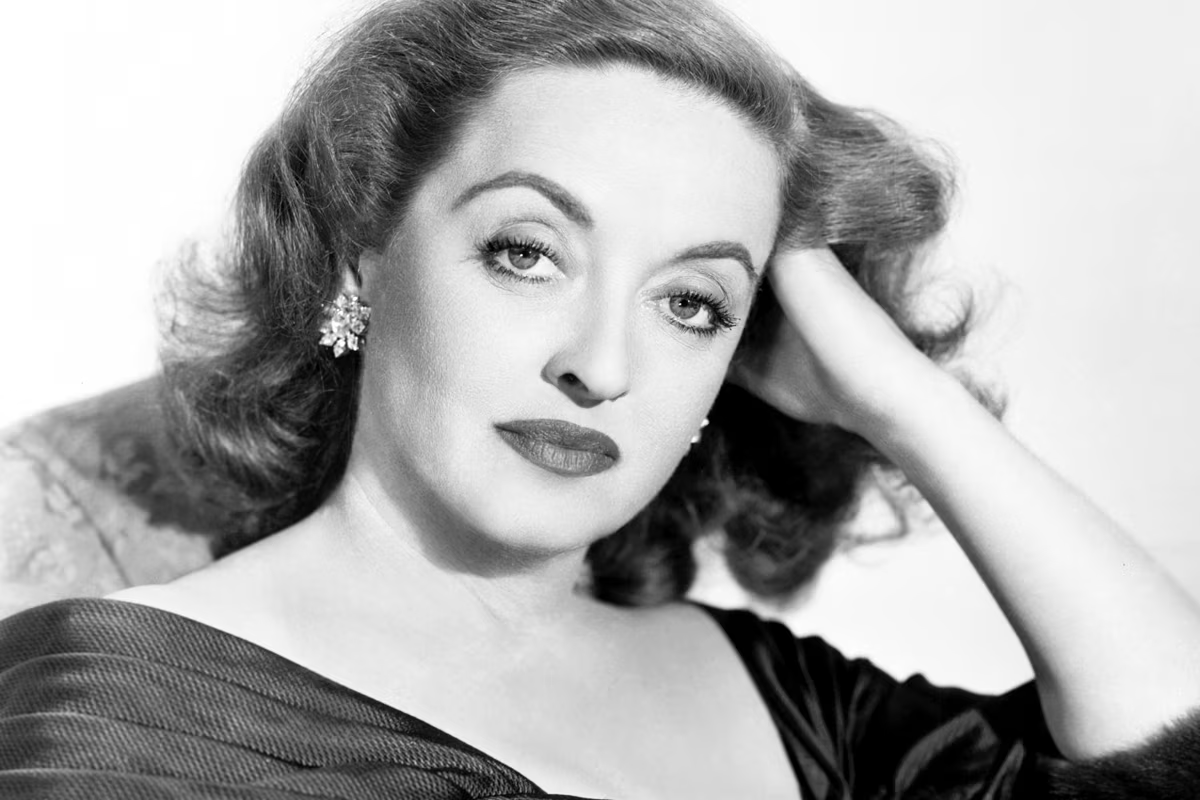
There are actors who follow trends, and then there are those who create them. Bette Davis firmly belongs in the second category. Her name still echoes through Hollywood history not just because she was famous, but because she was fearless.
When people talk about classic cinema, the conversation almost always circles back to Bette Davis. She wasn’t polished in the traditional Hollywood sense, and she never tried to be. Instead, she brought raw emotion, sharp intensity, and a kind of honesty that audiences had rarely seen before.
This Bette Davis biography is not just a story about an actress. It’s a story about defiance, talent, and a woman who reshaped the meaning of stardom in Hollywood.
Early Life and Background
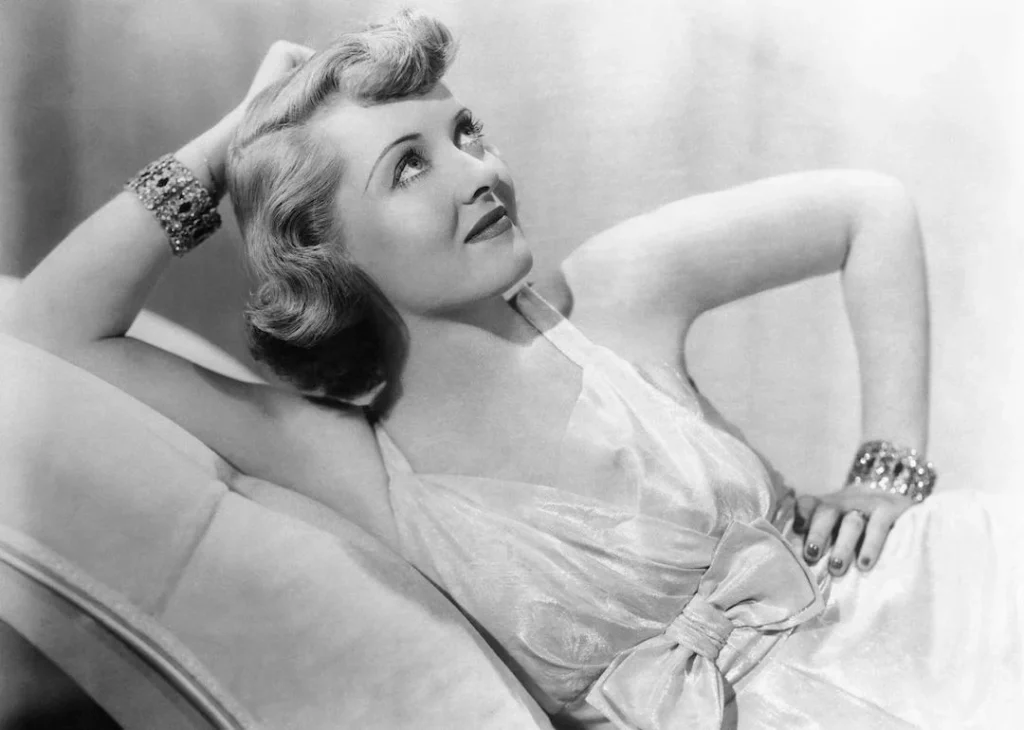
Born in Lowell, Massachusetts, Bette Davis had no idea she would one day become one of the most powerful names in film history. Her early life was shaped by discipline, independence, and a strong sense of ambition.
She studied acting at the John Murray Anderson School of Theatre, where her teachers quickly noticed something different about her. She wasn’t just performing; she was becoming the character.
Even in her early years, Bette Davis showed signs of determination that would later define her career. She didn’t want to be just another actress in Hollywood—she wanted to be unforgettable.
Key early influences included:
- A strong interest in theatre and stage performance
- Early exposure to dramatic literature
- A growing desire to break into Hollywood despite rejection
This early foundation shaped the force that would later become known as Bette Davis in cinema.
Breakthrough in Hollywood
The journey to success was not immediate. In fact, Hollywood initially underestimated her. But Bette Davis didn’t fade into the background—she pushed forward.
Her breakthrough came in the early 1930s when she began landing more serious roles that showcased her emotional range. Unlike many actresses of her time, she wasn’t afraid to play flawed, complex, or even unlikable characters.
That bold choice set her apart.
By the mid-1930s, Bette Davis had become a recognized force in Hollywood. She earned critical praise for her performances in dramatic films that demanded depth and intensity.
What made her breakthrough unique:
- She embraced emotionally difficult roles
- She challenged Hollywood beauty standards
- She insisted on artistic control over her work
This period marked the rise of Bette Davis as more than just an actress—she became a symbol of artistic rebellion.
Career Peak and Major Films
The golden era of Bette Davis came in the late 1930s and 1940s. During this time, she delivered performances that are still studied in film schools today.
Some of her most iconic works include emotionally charged roles that pushed boundaries and redefined acting standards.
Notable Films of Bette Davis
- Jezebel (1938)
- Dark Victory (1939)
- The Letter (1940)
- Now, Voyager (1942)
- All About Eve (1950)
Each performance added another layer to the legend of Bette Davis. She had a rare ability to portray strength and vulnerability at the same time, often within the same scene.
What made her career peak so powerful was consistency. She didn’t have just one breakout role—she had many.
In this phase of her life, Bette Davis became the gold standard for dramatic acting.
Acting Style and Influence
One of the most fascinating aspects of Bette Davis was her acting style. It was bold, expressive, and emotionally intense at a time when subtlety was more common in Hollywood.
She didn’t hold back. Every expression, every line, and every pause carried weight.
Key Features of Her Acting Style
- Strong emotional expression
- Fearless portrayal of flawed characters
- Sharp, commanding screen presence
- Deep focus on character psychology
Her influence can still be seen today in modern actors who prioritize emotional authenticity over perfection.
Many critics argue that Bette Davis helped shift Hollywood toward more realistic storytelling. She proved that audiences didn’t just want beauty—they wanted truth.
Challenges and Industry Battles
Success did not come without struggle. Bette Davis famously battled studio systems that tried to control her career.
At one point, she even took legal action against Warner Bros., which was a rare and bold move for an actress in her time. This decision changed the way actors viewed contracts and creative freedom.
Major Challenges She Faced
- Studio control over film roles
- Limited creative freedom in early contracts
- Industry pressure to conform to beauty standards
- Gender inequality in Hollywood decision-making
Despite these obstacles, Bette Davis continued to fight for better roles and more respect. Her determination inspired future generations of actors to stand up for their artistic rights.
Personal Life
Beyond the screen, Bette Davis lived a life filled with both triumph and complexity. She was married multiple times and experienced both joy and hardship in her personal relationships.
Her life was not always easy, but it was always honest.
She was also a devoted mother and continued working in film and television well into her later years. Unlike many stars of her era, she never fully stepped away from acting.
Her personal journey reflects:
- Strong independence
- Emotional resilience
- Dedication to her craft
- A lifelong connection to performance
This balance of personal struggle and professional success adds depth to the Bette Davis biography.
Awards and Achievements
The legacy of Bette Davis is backed by an impressive list of achievements that confirm her place in cinematic history.
Major Awards and Honors
- 2 Academy Awards for Best Actress
- Multiple Academy Award nominations
- Honorary lifetime achievement recognition
- Star on the Hollywood Walk of Fame
Her performances were not just popular—they were critically acclaimed and historically significant.
Bette Davis proved that talent, when combined with determination, can reshape an entire industry.
Legacy of Bette Davis
Even decades after her peak, the influence of Bette Davis remains strong. Her legacy is not just about the films she made, but about the doors she opened for others.
She changed what it meant to be a leading actress in Hollywood. Before her, roles for women were often limited. After her, expectations expanded.
Why Bette Davis Still Matters Today
- She redefined female roles in cinema
- She inspired artistic independence in actors
- She influenced modern film acting techniques
- She became a cultural symbol of strength
Her legacy continues to grow as new generations discover her films and performances.
The name Bette Davis is now synonymous with courage, talent, and artistic integrity.
BIO
Bette Davis
| Category | Details |
|---|---|
| Full Name | Ruth Elizabeth Davis |
| Date of Birth | April 5, 1908 |
| Age | Deceased (died in 1989) |
| Profession | Actress |
| Nationality | American |
| Net Worth (approx.) | Estimated legacy value varies; historical earnings modest by today’s standards |
| Notable Works / Achievements | All About Eve, Now, Voyager, Jezebel, 2× Academy Award Winner |
Conclusion
The Timeless Power of Bette Davis
The story of Bette Davis is not just a Hollywood biography—it is a lesson in resilience, individuality, and artistic courage.
She didn’t follow the rules of her time. She rewrote them.
From her early struggles to her unforgettable performances, Bette Davis proved that true greatness comes from authenticity, not perfection. Her influence continues to shape cinema, reminding us that boldness often leaves the deepest mark.
If there is one takeaway from this Bette Davis biography, it is simple: legends are not made by fitting in—they are made by standing out.