





















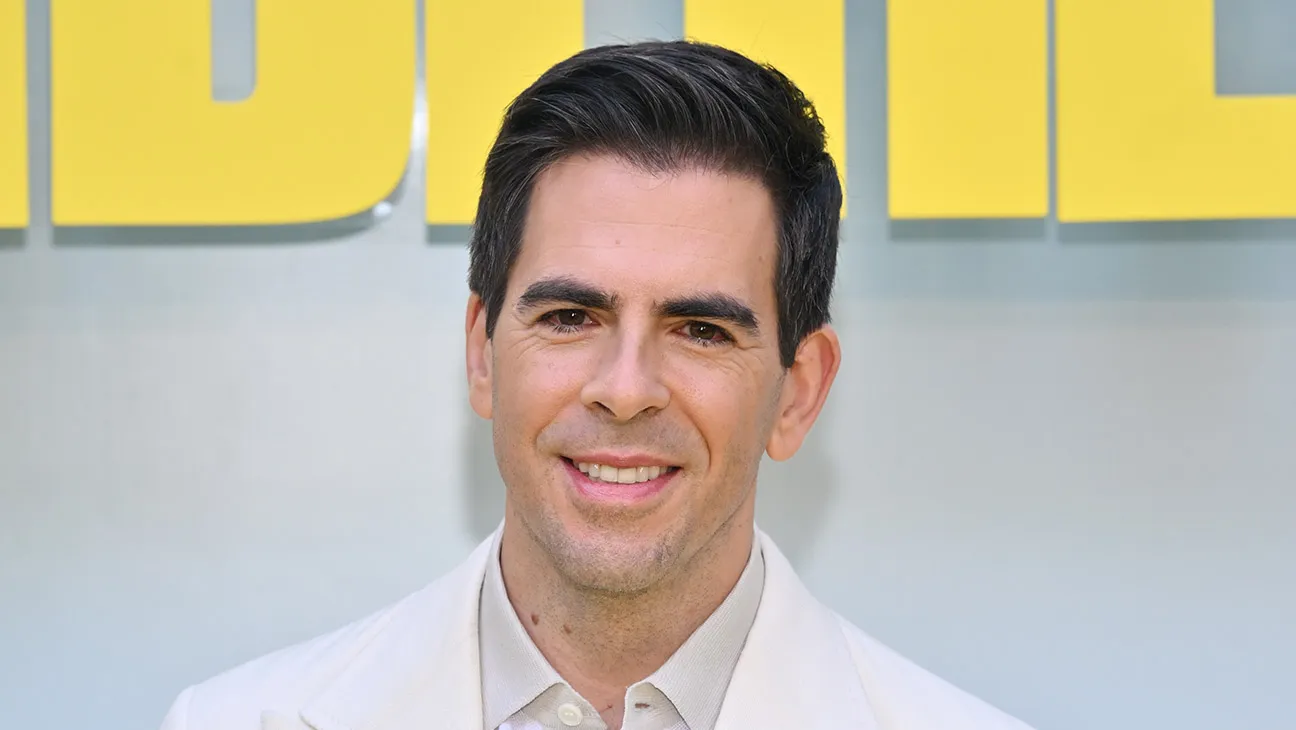
Few names in modern horror cinema spark as much debate, excitement, and curiosity as Eli Roth. Whether you admire his bold storytelling or find his work too intense, there is no denying that Eli Roth has carved out a unique space in Hollywood. His films don’t just aim to scare—they aim to unsettle, provoke, and stay with you long after the credits roll.
From cult horror classics to mainstream directing projects, Eli Roth has built a reputation as one of the most fearless filmmakers of his generation. His work often blends extreme horror with dark humor, creating a cinematic identity that is instantly recognizable.
In this article, we explore the life, career, and legacy of Eli Roth, diving deep into what makes his filmmaking style so distinctive and why he continues to influence the horror genre worldwide.
Biography of Eli Roth
| Detail | Information |
|---|---|
| Full Name | Eli Raphael Roth |
| Date of Birth | April 18, 1972 |
| Age | 50+ (as of recent years) |
| Profession | Film Director, Producer, Screenwriter, Actor |
| Nationality | American |
| Net Worth (approx.) | $20–25 million |
| Notable Works / Achievements | Hostel, Cabin Fever, Inglourious Basterds, The Green Inferno |
Eli Roth was born in Newton, Massachusetts, and showed an early interest in filmmaking. Even as a child, he experimented with homemade horror films, often using stop-motion effects and practical gore techniques inspired by classic directors like David Cronenberg and Sam Raimi.
Before becoming a household name, Eli Roth attended New York University’s Tisch School of the Arts, where he refined his storytelling skills and developed his signature approach to horror filmmaking.
Early Life and Creative Influences
The foundation of Eli Roth’s career lies in his childhood obsession with horror films. Unlike many filmmakers who discover their passion later in life, Roth was deeply immersed in the genre from an early age.
He reportedly recreated scenes from horror classics using makeshift props and neighborhood friends. This hands-on experimentation shaped his understanding of practical effects and visual storytelling.
Some of his biggest early influences include:
- David Cronenberg’s body horror aesthetics
- Quentin Tarantino’s dialogue-driven storytelling
- Sam Raimi’s chaotic camera energy
- Italian giallo horror films from the 1970s
These influences later merged into the distinct identity of Eli Roth, who became known for pushing boundaries in both storytelling and visual brutality.
Career Beginnings: From Indie Projects to Recognition
Before achieving mainstream success, Eli Roth worked on several small projects and industry roles. He also served as an assistant and collaborator on various productions, slowly building connections in Hollywood.
His early breakthrough came with the film Cabin Fever (2002). Made on a relatively low budget, the movie quickly gained cult status due to its disturbing premise and raw execution.
Why Cabin Fever mattered:
- Introduced Eli Roth as a fresh voice in horror
- Showcased his talent for combining humor with gore
- Proved low-budget horror could still achieve major success
This film set the stage for what would become Roth’s defining era.
Breakthrough Success: Hostel and Global Fame
When Hostel (2005) was released, Eli Roth became a major name in global horror cinema almost overnight. The film, produced by Quentin Tarantino, explored extreme violence and psychological terror in a way that shocked audiences worldwide.

What made Hostel iconic:
- Brutal realism in torture horror
- A commentary on tourism and exploitation
- A minimalist but effective storytelling approach
The success of Hostel solidified Eli Roth as a leading figure in the “torture horror” subgenre. However, it also sparked debates about violence in cinema and artistic boundaries.
Despite controversy, Roth leaned into his reputation, continuing to refine his craft and expand his influence.
Eli Roth’s Directing Style: Brutal, Bold, and Unapologetic
One of the most fascinating aspects of Eli Roth is his unmistakable directing style. He doesn’t shy away from discomfort—in fact, he often builds entire narratives around it.
Key elements of his style:
1. Practical Effects Over CGI
Eli Roth prefers real, tangible effects whenever possible. This adds a sense of realism that enhances the horror experience.
2. Psychological Tension
Instead of relying solely on jump scares, he builds slow-burning dread.
3. Dark Humor
Even in the most disturbing scenes, Eli Roth often includes moments of irony or absurdity.
4. Global Settings
Many of his films explore unfamiliar environments, increasing the feeling of isolation.
5. Audience Discomfort as a Tool
Roth intentionally pushes viewers outside their comfort zones to provoke emotional reactions.
This combination makes Eli Roth one of the most distinctive voices in modern horror filmmaking.
Eli Roth Filmography Highlights
Over the years, Eli Roth has worked on a wide range of projects, both as a director and producer.
Notable films include:
- Cabin Fever (2002)
- Hostel (2005)
- Hostel: Part II (2007)
- The Green Inferno (2013)
- Knock Knock (2015)
- Death Wish (2018)
- Thanksgiving (2023)
He also acted in Quentin Tarantino’s Inglourious Basterds (2009), where his performance received strong praise for its intensity and authenticity.
Impact on the Horror Genre
The influence of Eli Roth on horror cinema cannot be overstated. He played a major role in popularizing the “extreme horror” movement of the early 2000s.
His impact includes:
- Reviving interest in gore-heavy storytelling
- Inspiring a new wave of independent horror filmmakers
- Expanding horror into mainstream discussions
- Challenging censorship boundaries in cinema
While some critics argue that his work is excessive, fans appreciate his commitment to pushing cinematic limits.
Eli Roth helped redefine what modern horror could look like, blending indie creativity with Hollywood scale.
Television, Producing, and Expanding Creative Horizons
Beyond directing films, Eli Roth has expanded into television and producing. His work in documentary-style horror series and streaming platforms shows his versatility as a storyteller.
He has produced multiple horror projects and collaborated with various creators to bring unconventional stories to life.
This expansion proves that Eli Roth is not confined to one format—he continues to evolve with the industry.
Personal Life and Public Image
Outside of filmmaking, Eli Roth maintains a relatively private personal life. However, he is known for his passionate discussions about horror cinema and film history.
He often appears at film festivals, interviews, and genre conventions, where he shares insights about storytelling and filmmaking techniques.
Despite controversy surrounding his work, Eli Roth remains respected within the industry for his dedication and consistency.
Awards and Recognition
Although horror films are often overlooked in major awards circuits, Eli Roth has still received recognition for his contributions.
Some highlights include:
- Critical acclaim for Hostel and Cabin Fever
- Cult status recognition at international film festivals
- Praise from industry peers like Quentin Tarantino
- Strong fanbase within the horror community
His influence is often measured more by cultural impact than formal awards, and in that sense, Eli Roth has undeniably succeeded.
The Legacy of Eli Roth in Modern Cinema
The legacy of Eli Roth is complex, bold, and undeniably influential. He represents a filmmaker who refuses to compromise his vision, even when faced with criticism.
His work continues to inspire new generations of horror creators who admire his fearless approach to storytelling.
Whether you see him as a provocateur or a visionary, Eli Roth has permanently changed how audiences view horror cinema.
Conclusion
Why Eli Roth Still Matters
At the end of the day, Eli Roth is more than just a horror director—he is a storyteller who challenges comfort zones and redefines cinematic boundaries. His films spark debate, emotion, and discussion, which is exactly what great cinema should do.
From Cabin Fever to Hostel and beyond, Eli Roth has built a legacy that continues to grow with each new project.
As horror evolves, his influence remains deeply embedded in the genre’s DNA. Whether you are a long-time fan or a curious newcomer, exploring the work of Eli Roth is an essential journey into modern horror filmmaking.